Maldives Marine Life: Complete Diver’s Guide to Every Species

You’re 20 metres down.
The current is gentle. The visibility is 30 metres in every direction.
And then — from the blue — a shadow appears.
It grows larger. And larger. Until you realise it’s not a shadow at all.
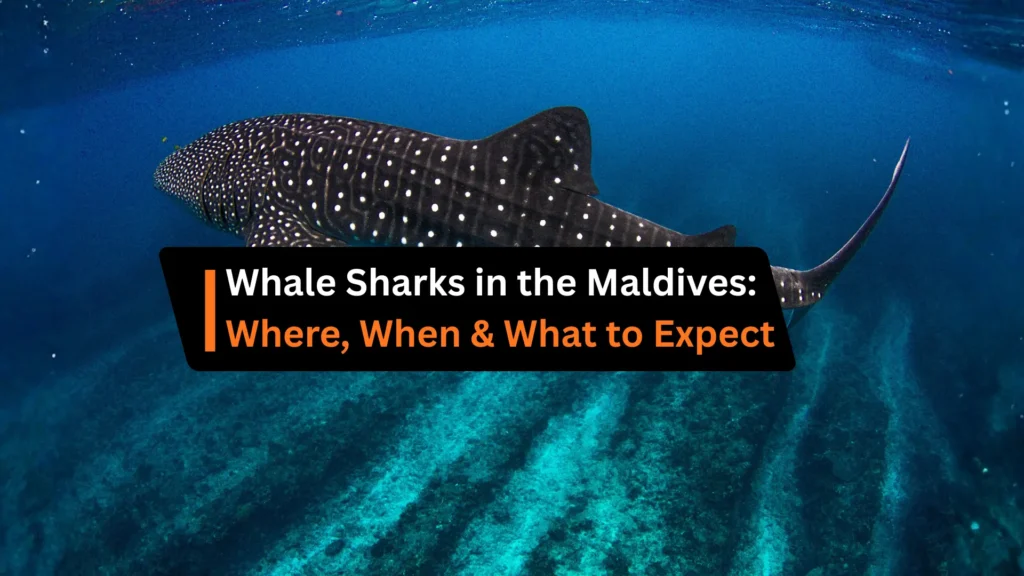
It’s a whale shark. Twelve metres long. Moving slowly, calmly — directly towards you.
This is Maldives marine life.
| ✍️ “For Me, The Whale Shark Is One Of The Most Magnificent Creatures In The Ocean. Truly Magical. Its Size, Its Color, Those Perfect Spots — And Somehow, Despite The Impossible Size Difference, You Feel Like It’s Your Friend. Like It Knows You’re There, And It Doesn’t Mind.” |
No other dive destination on earth offers this combination — the density, the diversity, and the sheer size of the animals you’ll encounter in these waters.
This guide covers every major species you’ll encounter diving the Maldives — where to find them, when to go, and what to expect underwater.
1. Why Maldives Marine Life is Exceptional
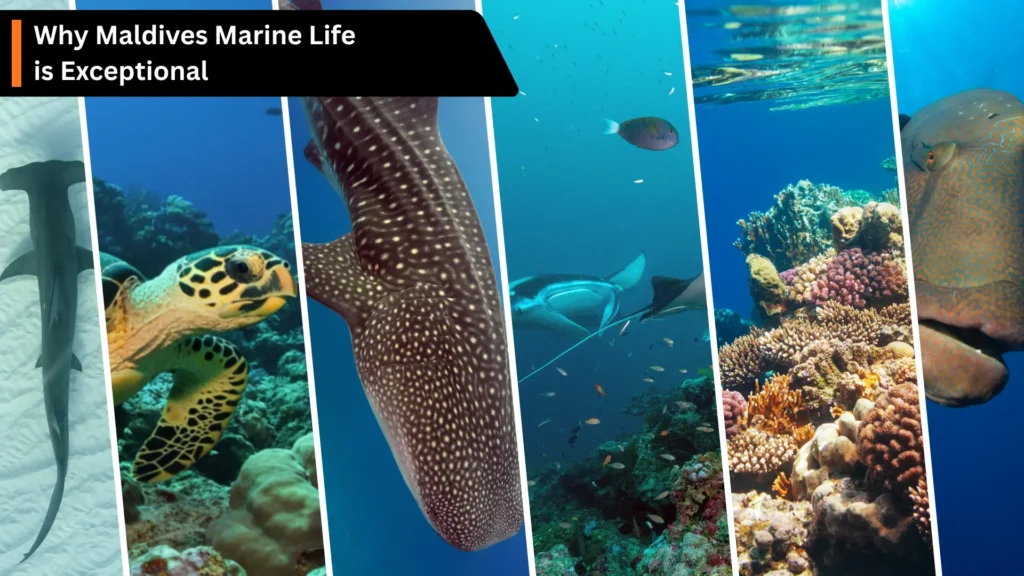
Most dive destinations are famous for one or two species.
The Maldives is famous for everything.
- 🐟 2,000+ fish species — from tiny nudibranchs to 12-metre whale sharks
- 🦈 30+ shark species — the highest density of sharks of any Indian Ocean destination
- 🐢 5 sea turtle species — so common that most divers stop photographing them after day two
- 🐬 26 species of whale and dolphin — regularly encountered on liveaboard routes
- 🪸 Coral reefs covering over 8,900 km² — among the most biodiverse in the world
| 💡 Pro Tip: The Maldives sits at the crossroads of two major ocean current systems — which is why marine life here is so extraordinarily diverse. The nutrients carried by these currents feed the entire food chain, from the smallest reef fish to the largest whale shark. |
| ✍️ “For Me, It Started With A Fantasy — Seeing Massive Animals Underwater, Up Close. I Was Always Drawn To The Idea, Even Though Part Of Me Was Terrified. Until I Learned That With The Right Guidance, It’s Completely Natural And Safe.” |
2. The Big Five — Must-See Species
Every diver has a bucket list. In the Maldives, these five species sit at the very top of everyone’s:
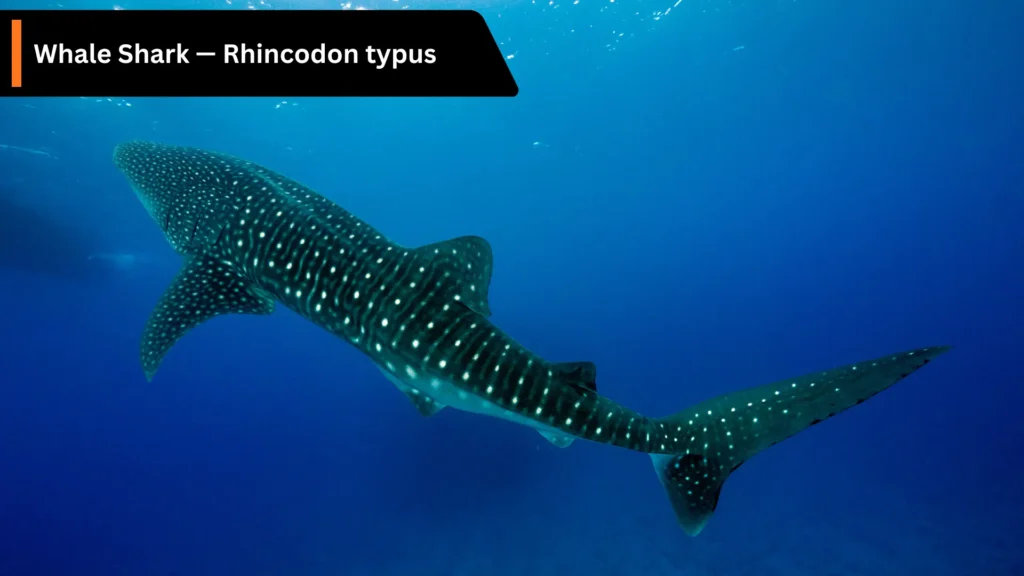
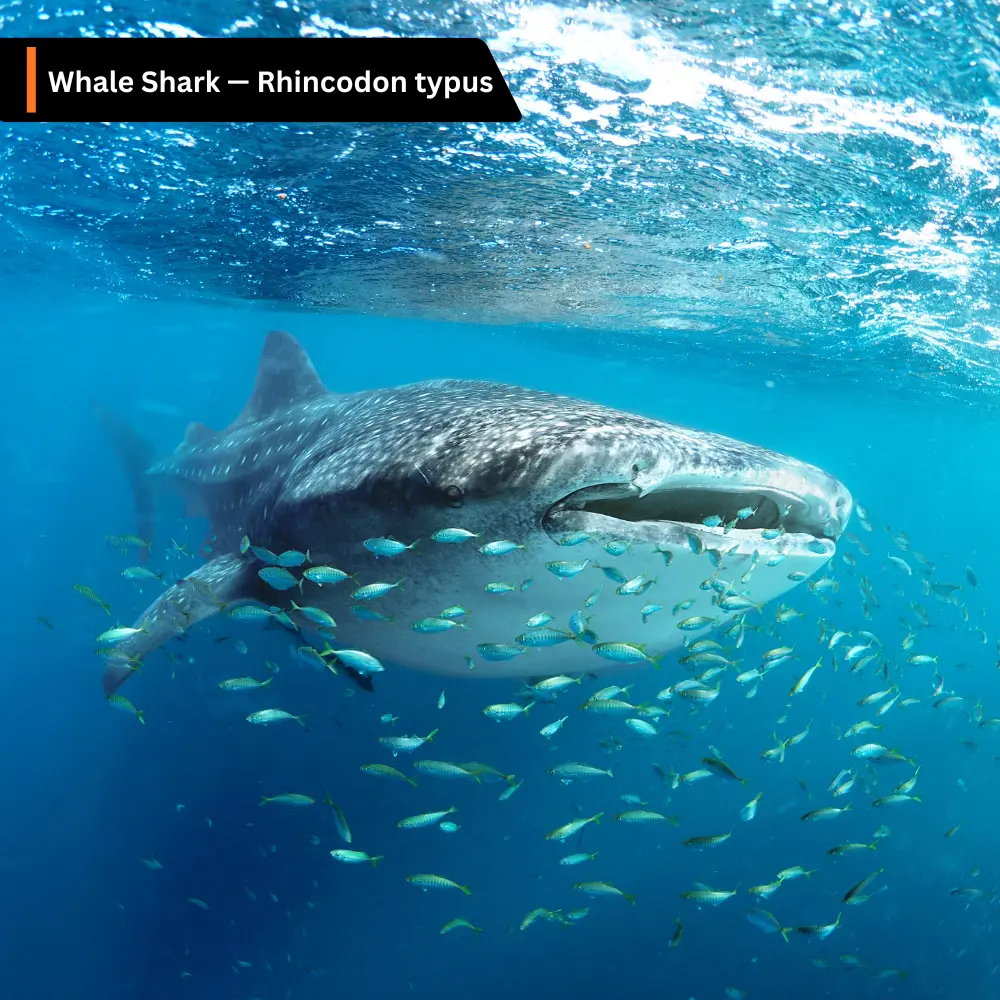
| 🐋 Whale Shark — Rhincodon typus |
| The largest fish on earth. Up to 12 metres long, weighing up to 20 tonnes. Completely harmless filter feeders — they eat nothing but plankton and small fish. Despite the impossible size, an encounter feels surprisingly gentle. Almost meditative. 📍Best Spot: South Ari Atoll (year-round) — Dhigurah South Point is the most reliable single site 📅Best Time: Year-round in Ari Atoll — peak sightings June to September in South Ari 💡 Don’t chase them. Float still, let them approach, and maintain a respectful distance. The best encounters happen when you stop trying to control them. |
| ✍️ Oh my God, it’s truly magical. Glory be to the Creator for sculpting a creature so massive yet so incredibly peaceful—it is a spiritual awakening disguised as a scuba dive. |
| 🐋 Looking for Giants? If diving with the ocean’s biggest pelagics is your main goal, make sure to read our comprehensive guide to encountering the Whale Shark in the Maldives before picking your route. |
🔍 Looking for peak aggregation months? See our dedicated calendar for the Best Time to Dive the Maldives
to ensure you don’t miss the manta feeding frenzy.
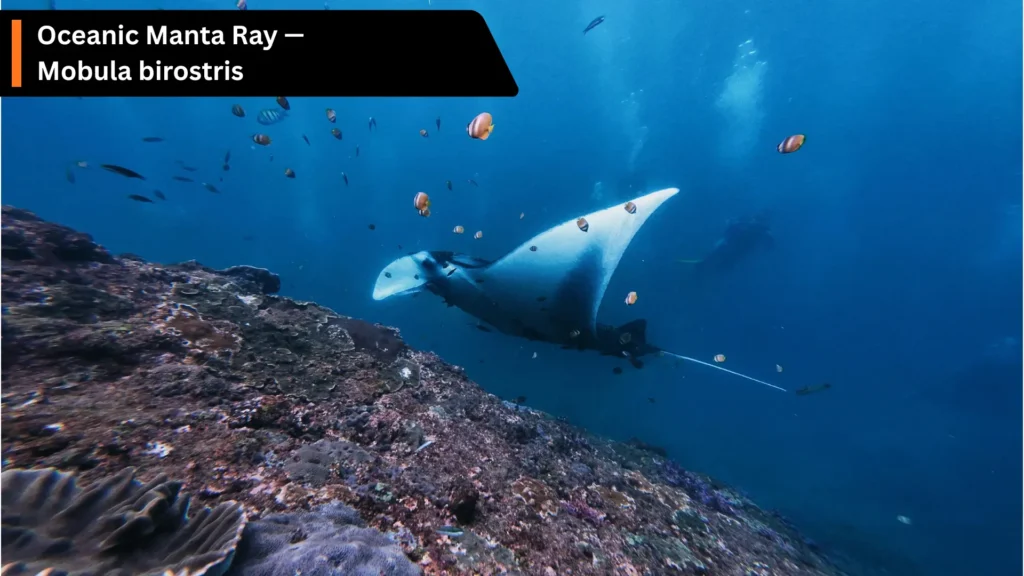
| 🦅 Oceanic Manta Ray — Mobula birostris |
| The largest ray in the world. Wingspan up to 7 metres. They gather at cleaning stations — hovering motionless while small wrasse clean their gills — then disappear back into the blue. Watching a manta ray is like watching something from another world. 📍Best Spot: Hanifaru Bay, Baa Atoll (peak season) — the greatest manta aggregation on earth 📅Best Time: May to November — peak aggregations July to October at Hanifaru Bay 💡 At Hanifaru Bay during peak season — snorkeling only. Don’t dive. The snorkeling experience with 200 mantas feeding around you is more spectacular than any dive. |
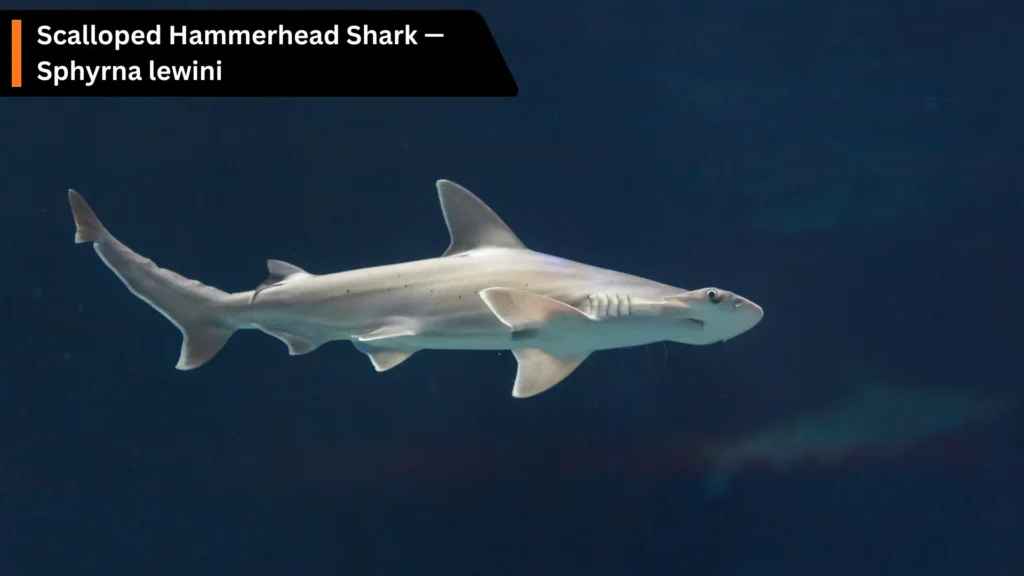
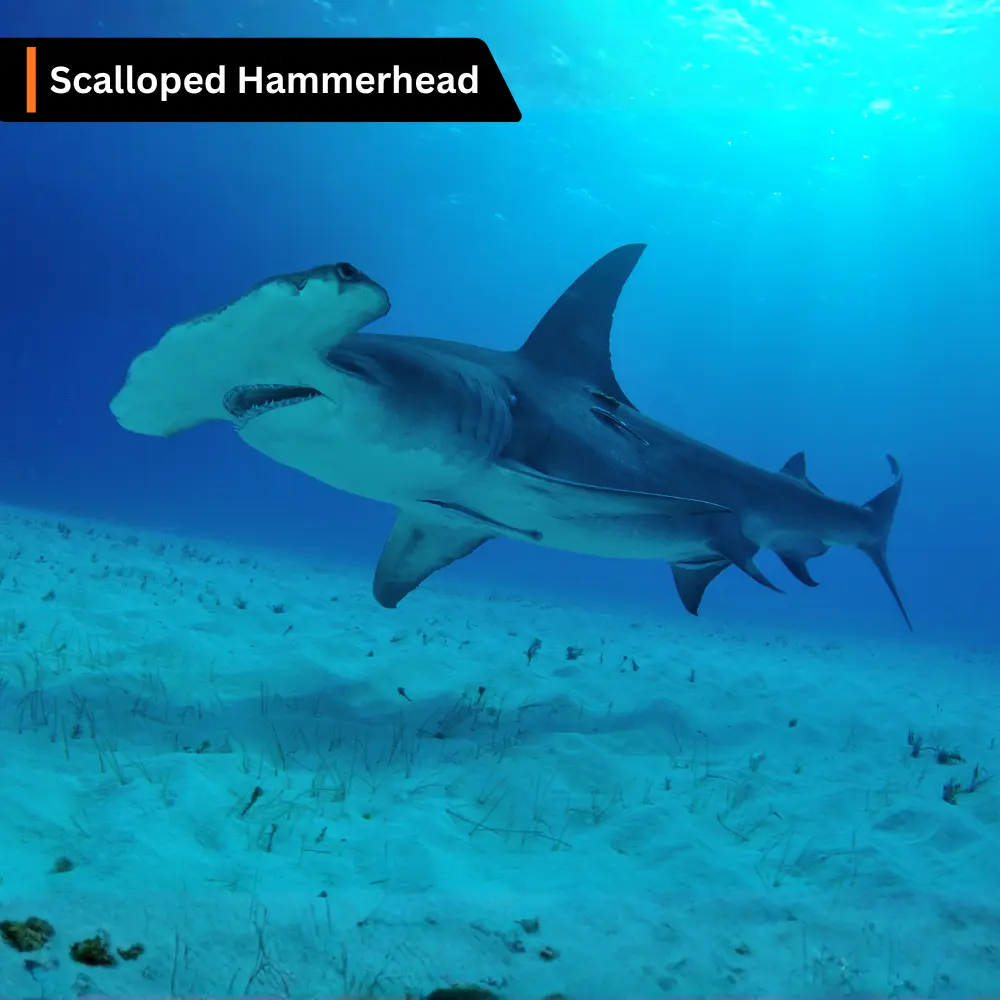
| 🔱 Scalloped Hammerhead Shark — Sphyrna lewini |
| One of the most distinctive and sought-after shark species on earth. They gather in schools in the early morning — rising from the deep to feed in shallower, warmer water before descending again as the sun rises. 📍Best Spot: Lhaviyani Atoll — Kuredu Express | Kandooma Thila, South Malé 📅Best Time: November to April — best at dawn on incoming tides 💡 Wake up early. The best hammerhead dives start at first light — before 7am. The sharks descend as the water warms. Miss the window and you miss the sharks. |
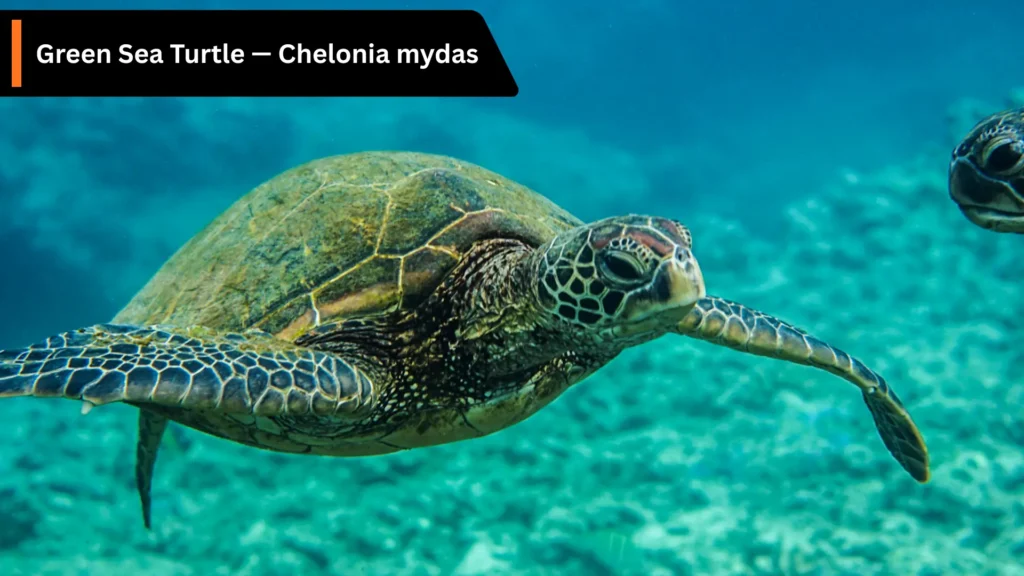
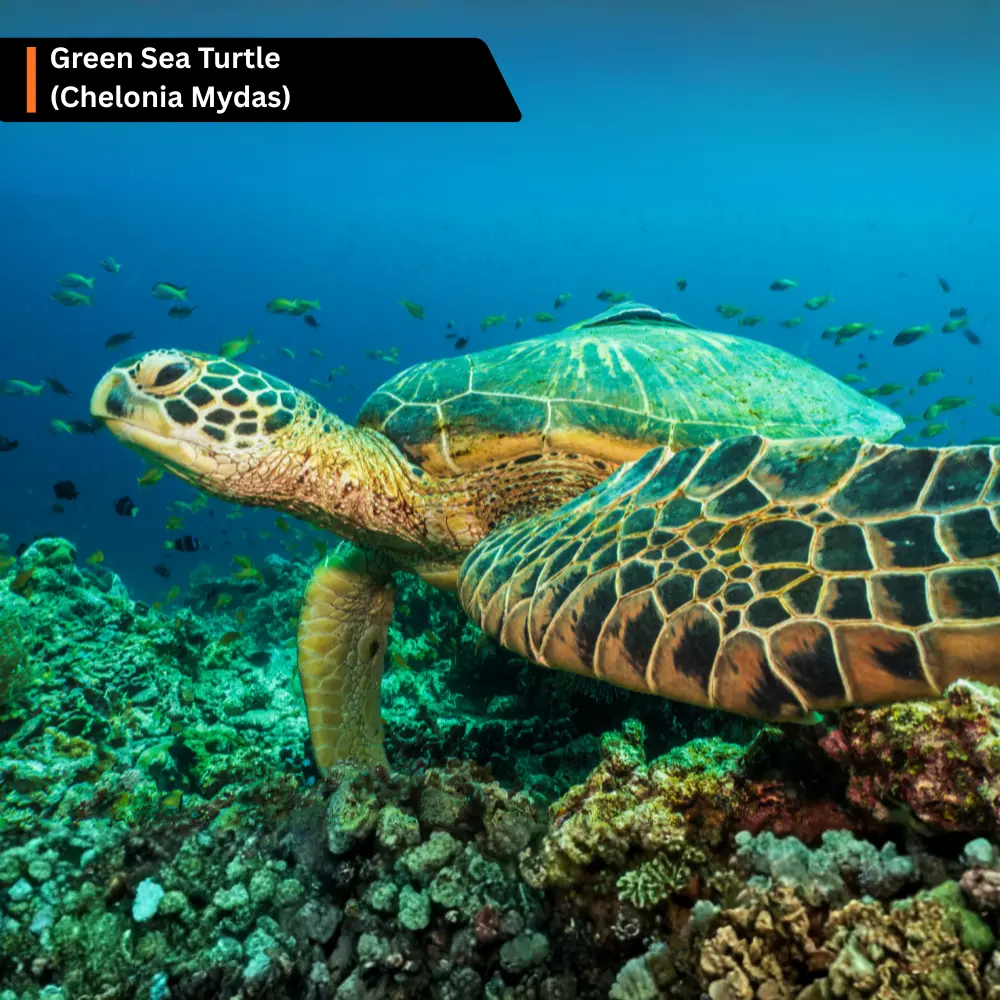
| 🐢 Green Sea Turtle — Chelonia mydas |
| So common in the Maldives that they barely register as an extraordinary sighting anymore — until you stop and really look. Ancient, unhurried, completely at ease with divers. They’ve been navigating these reefs for millions of years. 📍Best Spot: Almost every reef in the Maldives — particularly cleaning stations in North Malé 📅Best Time: Year-round — one of the few species guaranteed on every dive 💡 Turtles sleeping on the reef are a common sight. Don’t disturb them. A sleeping turtle is a trusted turtle — and trust like that takes years to build. |
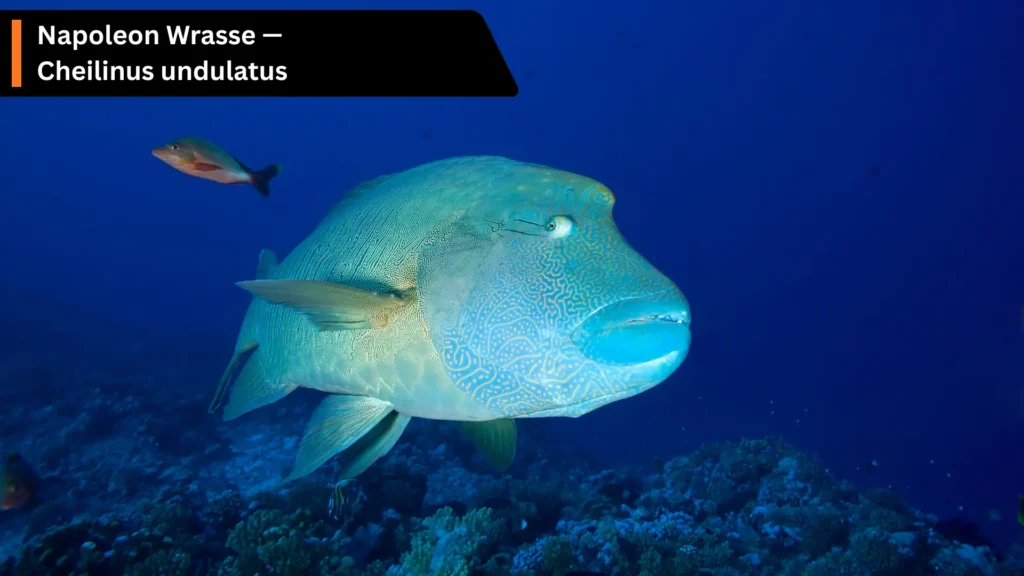
| 🐟 Napoleon Wrasse — Cheilinus undulatus |
| Enormous, distinctive, and surprisingly curious. Up to 2 metres long and 190kg. Their large, intelligent eyes give the impression they’re genuinely interested in you — and sometimes, they are. They’ll swim directly towards divers, hovering face-to-face. 📍Best Spot: Banana Reef, North Malé | Fish Head, Ari Atoll | Fushivaru Thila, Lhaviyani 📅Best Time: Year-round — particularly common on protected thilas 💡 Napoleon wrasse are surprisingly bold. If one approaches you, stay still. They often investigate divers out of pure curiosity — and the face-to-face encounter is unforgettable. |
3. Sharks of the Maldives

The Maldives has more shark species than almost any destination in the Indian Ocean.
Don’t be alarmed. Be grateful.
A healthy shark population is the sign of a healthy reef — and the Maldives has both.
- 🦈 Whale Shark (Rhincodon typus) — The giant. Harmless. Filter feeder. Ari Atoll, year-round.
- 🦈 Scalloped Hammerhead (Sphyrna lewini) — Schools at dawn. Lhaviyani & South Malé. Nov–Apr.
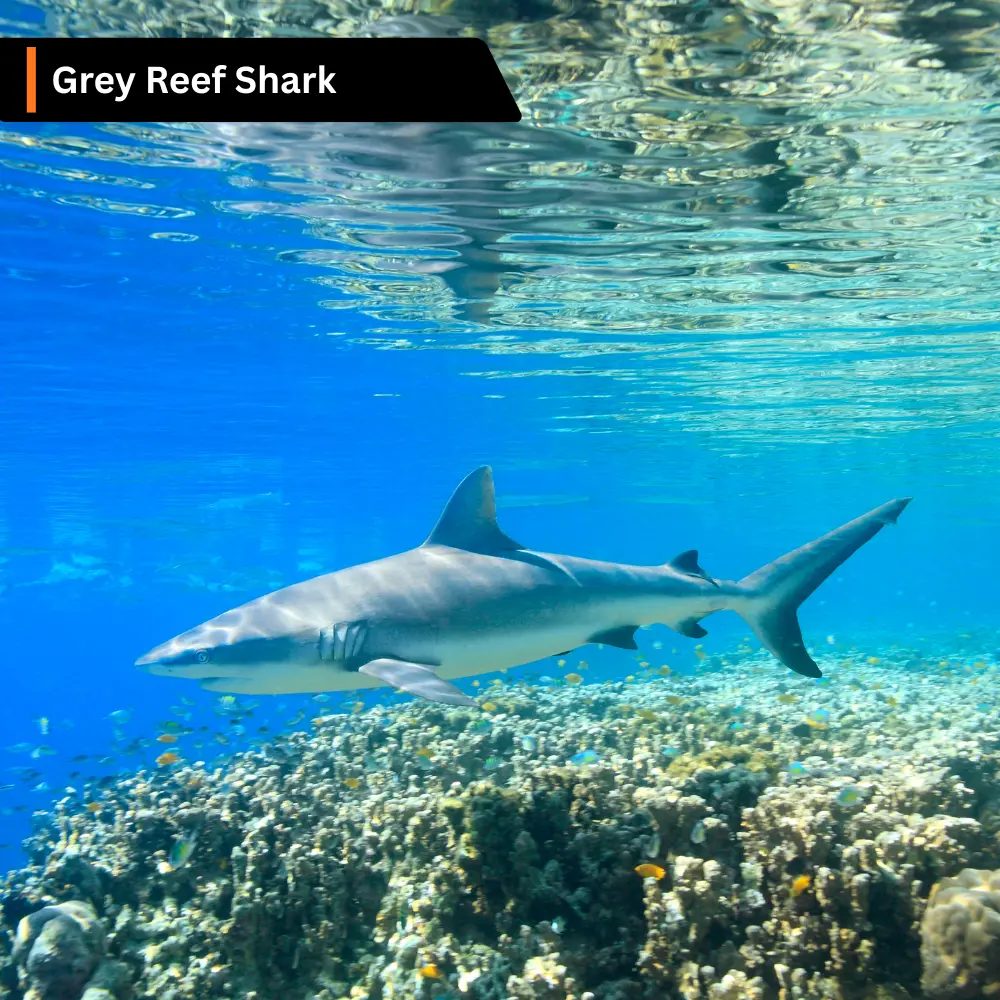
- 🦈 Grey Reef Shark (Carcharhinus amblyrhynchos) — The most common reef shark. Seen on almost every dive. All atolls, year-round.
- 🦈 White Tip Reef Shark (Triaenodon obesus) — Rests on the reef during the day. Hunts in packs at night. Best on night dives — Maaya Thila, Ari Atoll.
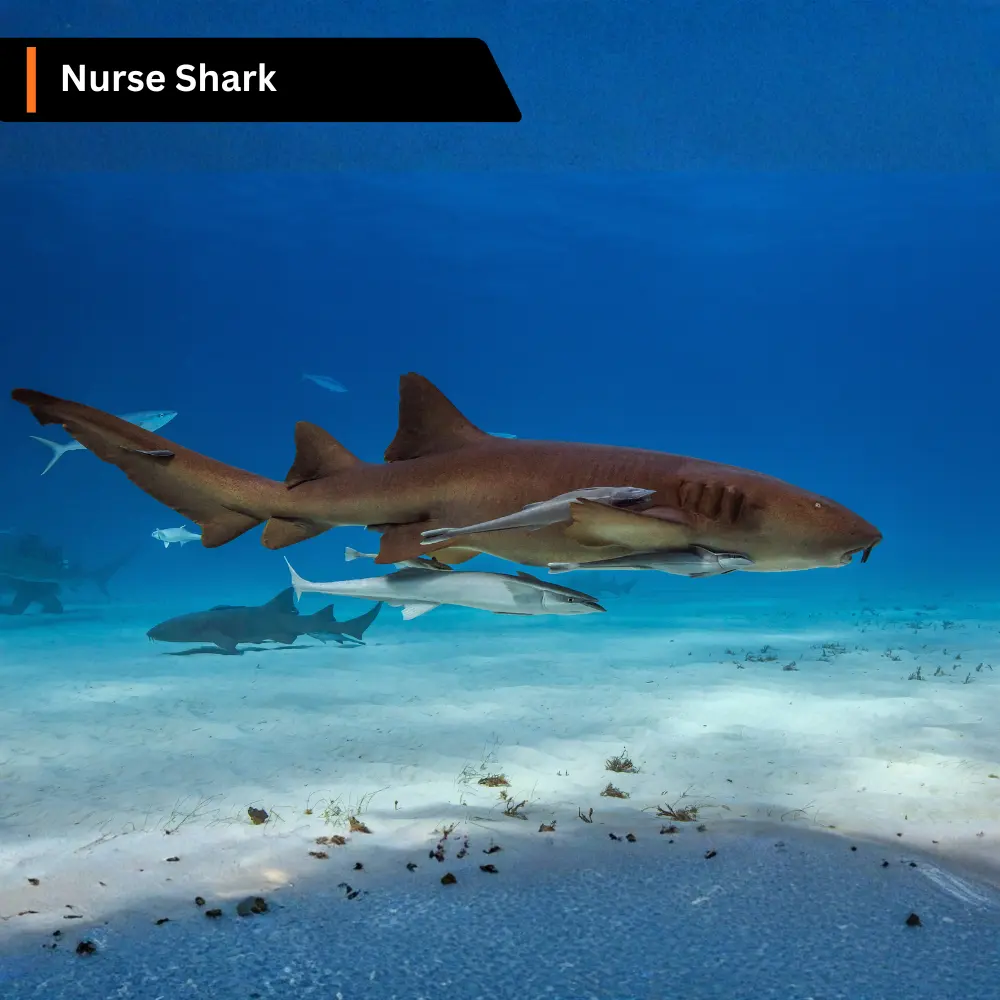
- 🦈 Nurse Shark (Ginglymostoma cirratum) — Docile bottom dweller. Commonly seen resting under coral heads. Alimatha Jetty night dive is unmissable.
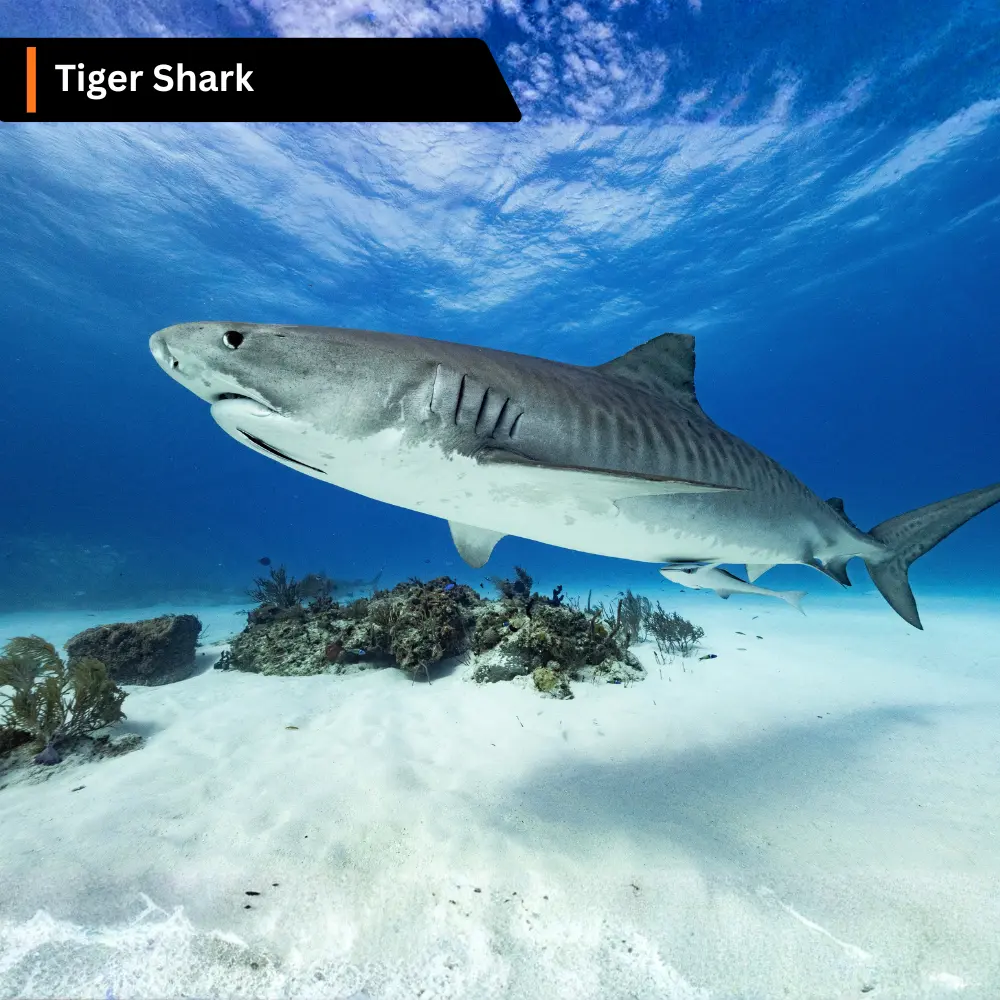
- 🦈 Tiger Shark (Galeocerdo cuvier) — Rare but present. Best chance: Fuvahmulah Atoll in the deep south. January–March only.
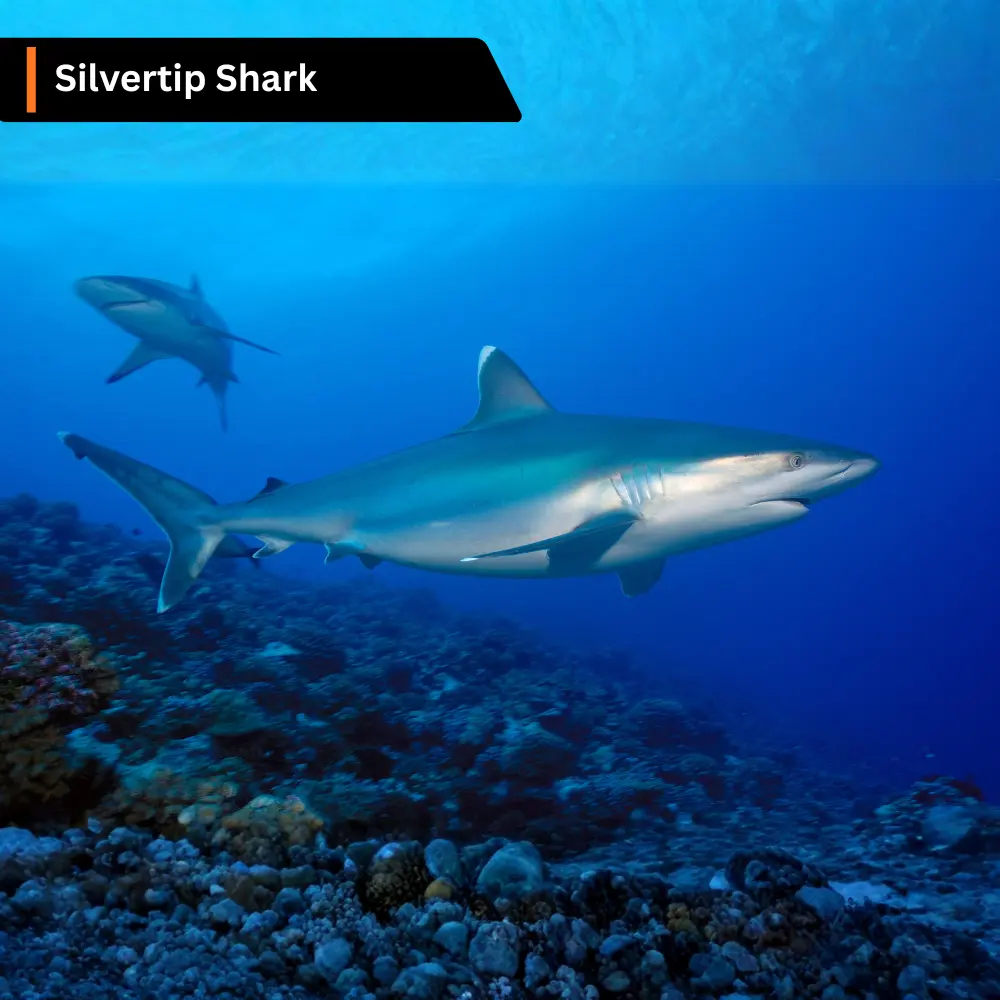
- 🦈 Silvertip Shark (Carcharhinus albimarginatus) — Elegant, silver-tipped fins. Prefers outer reef walls and channels. Occasional sightings on advanced dives.
| 💡 Pro Tip: Shark encounters in the Maldives are normal, expected, and safe. Reef sharks are not interested in divers. Stay calm, move slowly, and observe from a respectful distance. The presence of sharks means the reef is healthy — exactly what you came to see. |
| ✍️ I always had this lingering fear of diving with these massive marine creatures, a natural anxiety about stepping into the unknown. However, I later realized that this fear is completely normal—especially when you strictly follow the proper diving safety standards and briefings, which turn that initial apprehension into pure awe and a deep sense of security. |
| 🚢 Want to dive with these giants? The most reliable way to encounter both whale sharks and manta rays in a single trip is via a central atoll liveaboard. Compare top-rated Maldives liveaboard itineraries here → |

4. Rays of the Maldives
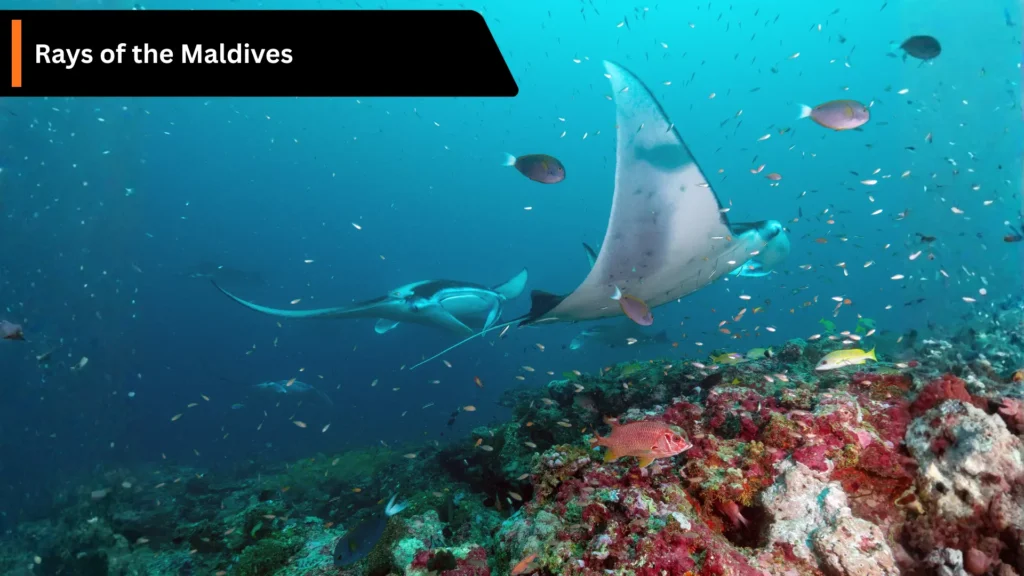
The Maldives is one of the finest ray-diving destinations on earth — with multiple species present year-round.
- 🦅 Oceanic Manta Ray (Mobula birostris) — Up to 7m wingspan. Hanifaru Bay, Baa Atoll. May–Nov.
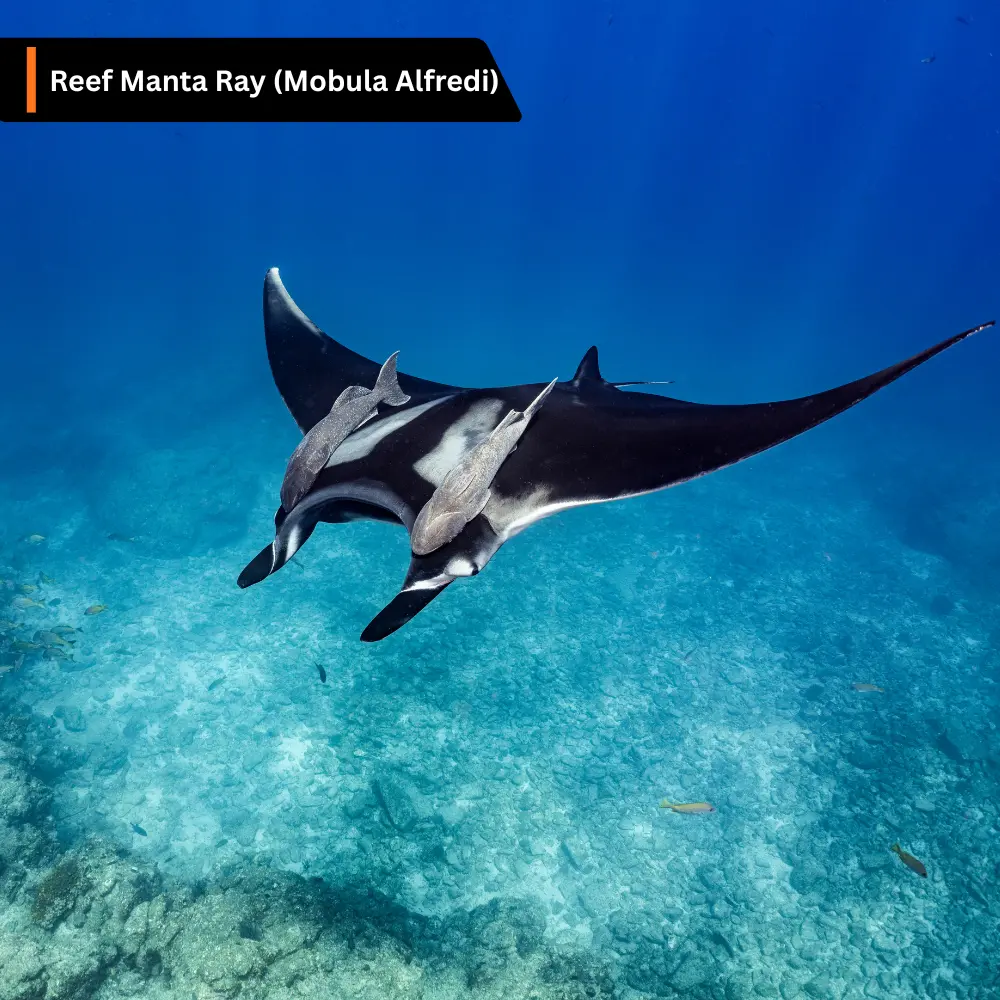
- 🦅 Reef Manta Ray (Mobula alfredi) — Smaller than oceanic manta. Resident at cleaning stations. North Malé (Manta Point), year-round.
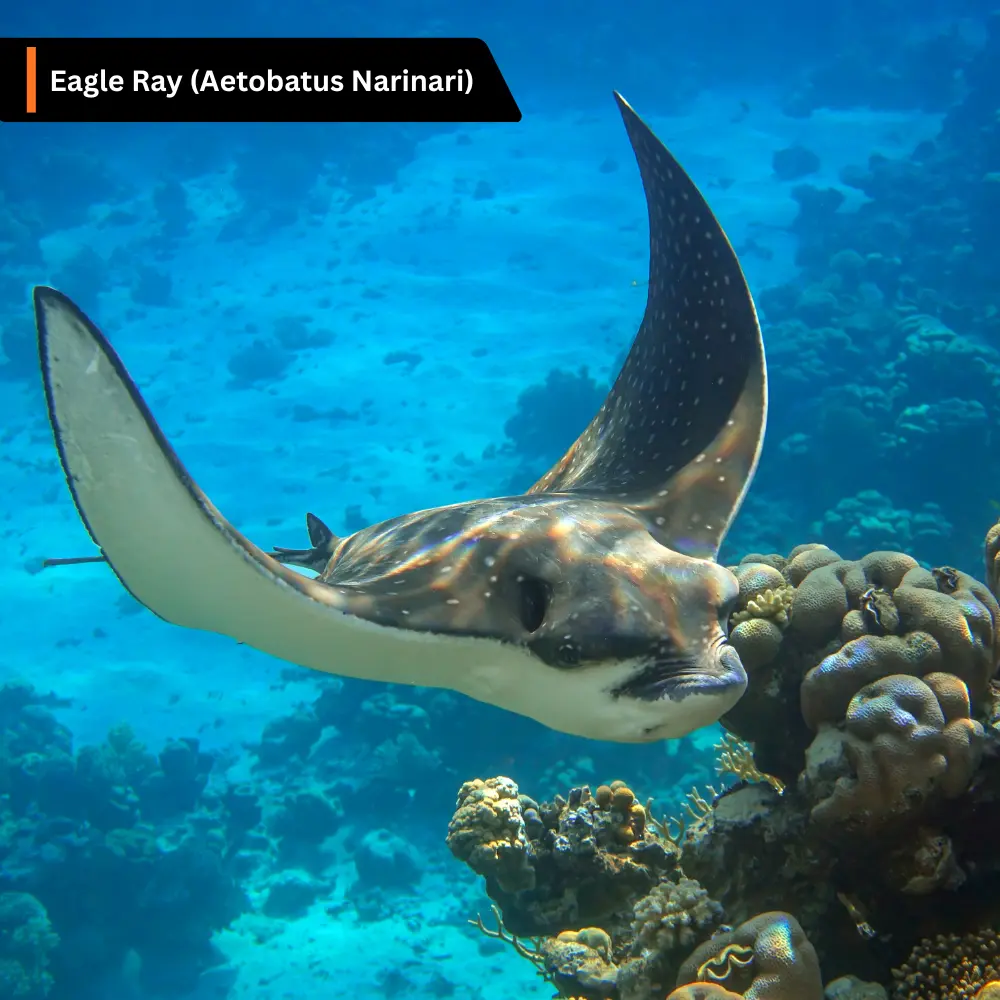
- 🦅 Eagle Ray (Aetobatus narinari) — Spotted wings, long tail. Often seen in formations of 5–20 individuals. South Malé and Ari Atoll channels.
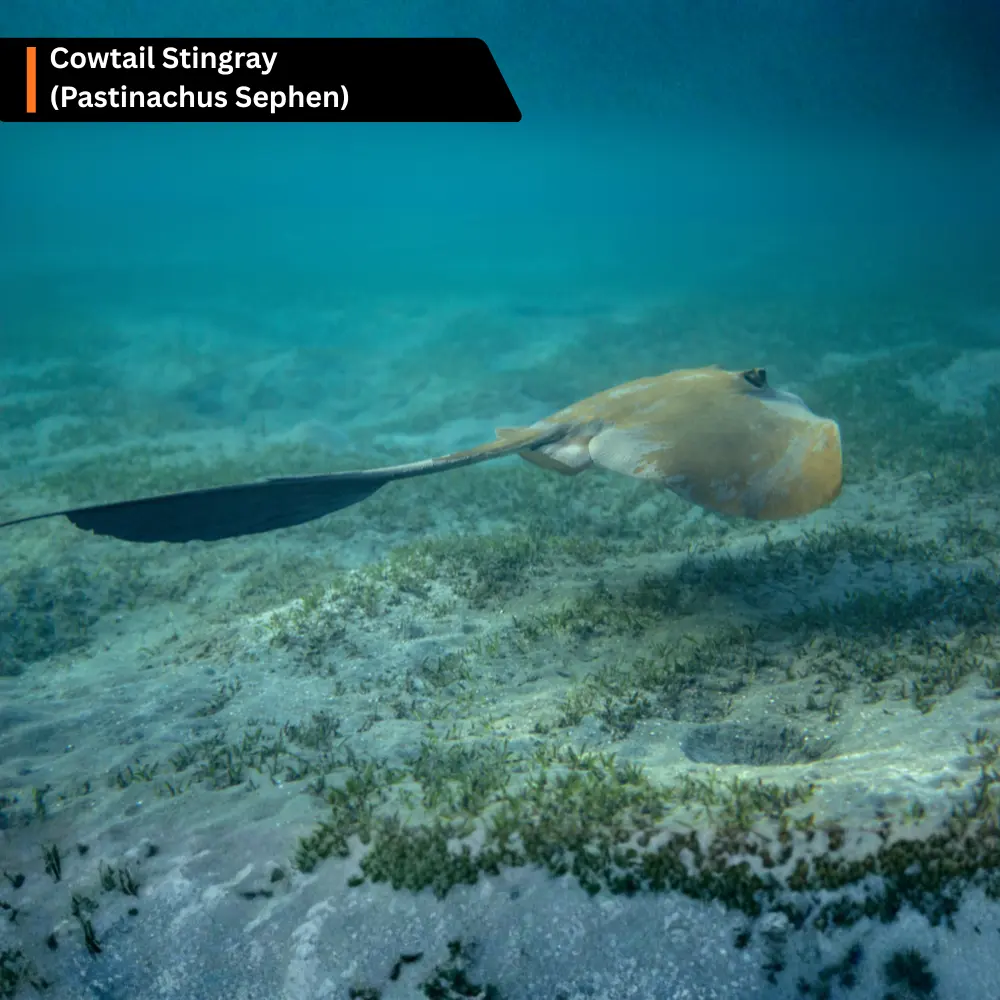
- 🦅 Cowtail Stingray (Pastinachus sephen) — Large and docile. Commonly seen resting on sandy bottoms. Alimatha Jetty area.
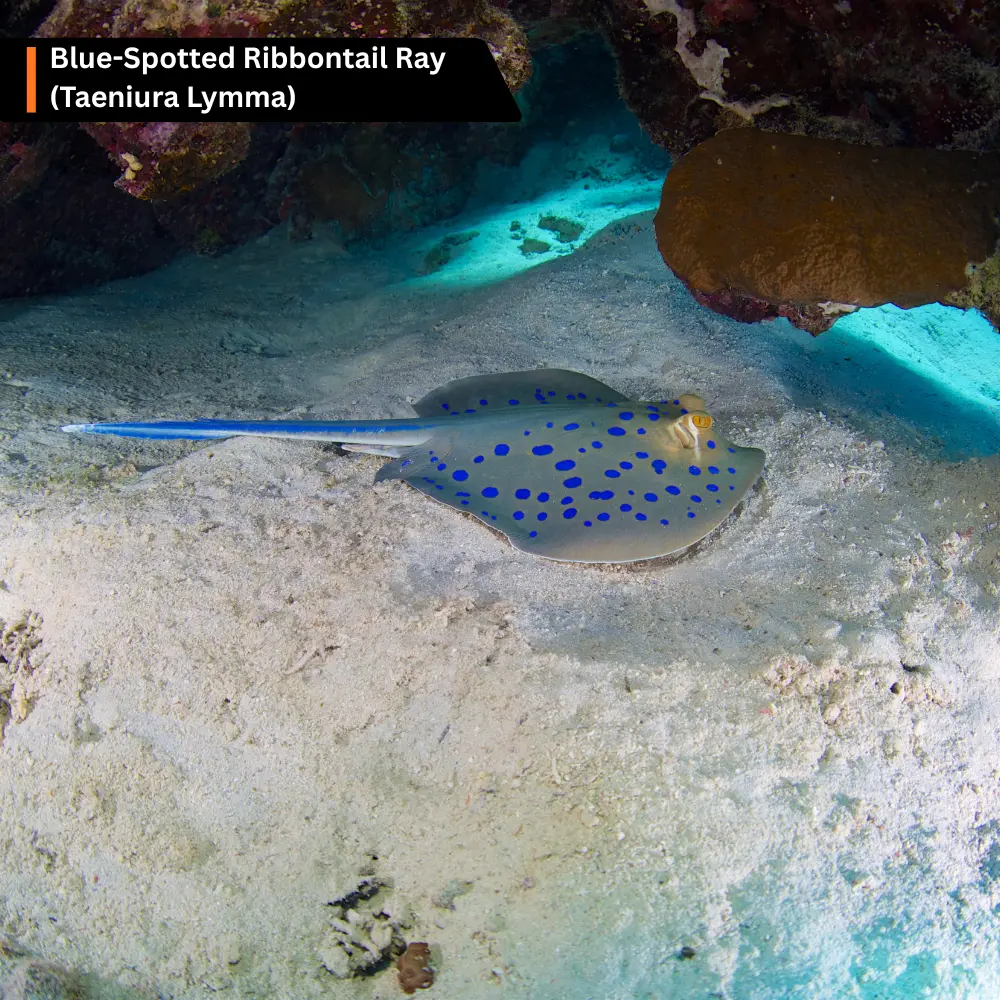
- 🦅 Blue-Spotted Ribbontail Ray (Taeniura lymma) — Beautiful electric blue spots. Small and shy. Found under coral overhangs on almost every reef.
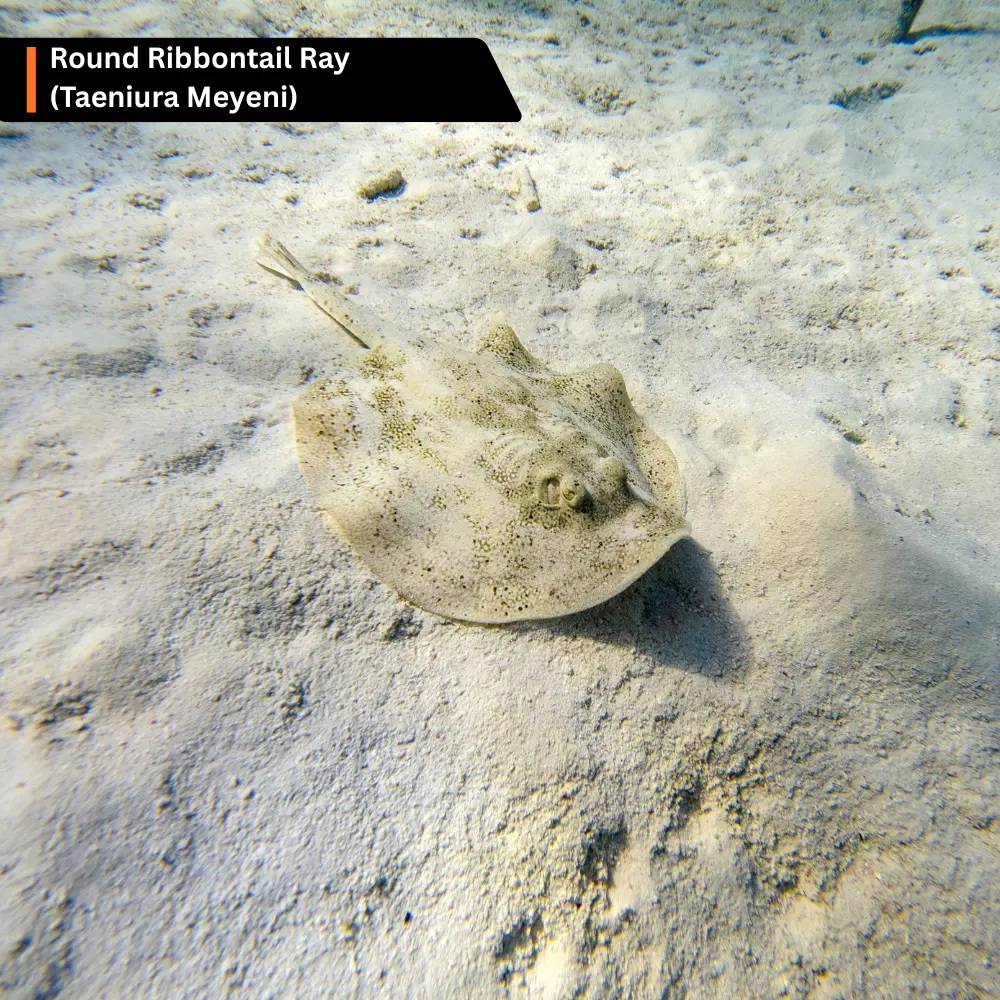
- 🦅 Round Ribbontail Ray (Taeniura meyeni) — Large, patterned ray. Often resting on the reef. One of the most photographed rays in the Maldives.
| 💡 Pro Tip: Cleaning stations are the key to manta ray encounters. Mantas return to the same locations repeatedly for cleaning — your dive guide will know exactly where they are. Approach slowly, descend to the sand, and let the mantas come to you. |
🚢 Want to dive with these giants? The most reliable way to encounter both whale sharks and manta rays in a single trip is via a central atoll liveaboard. Compare top-rated Maldives liveaboard itineraries here →

5. Sea Turtles of the Maldives
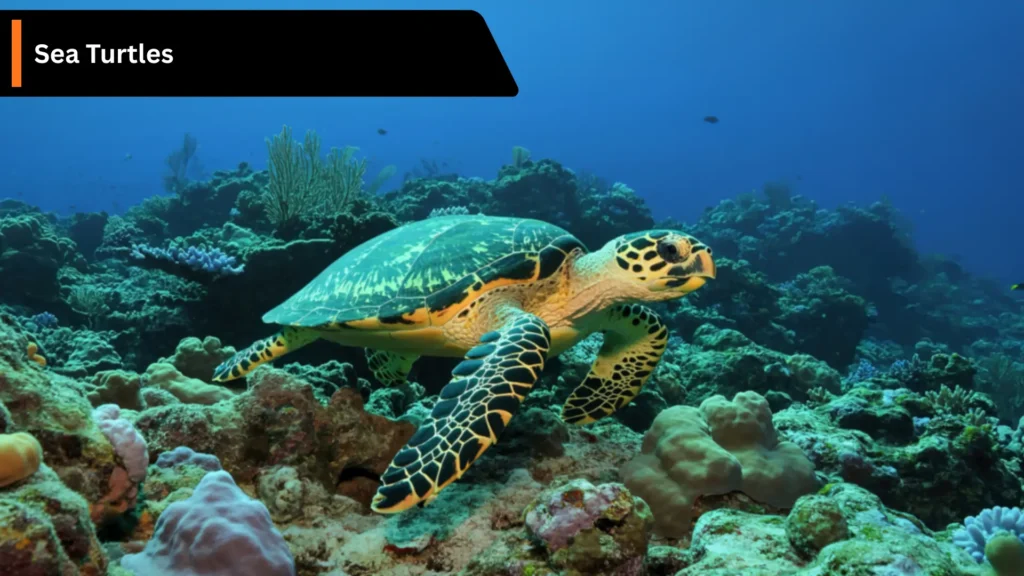
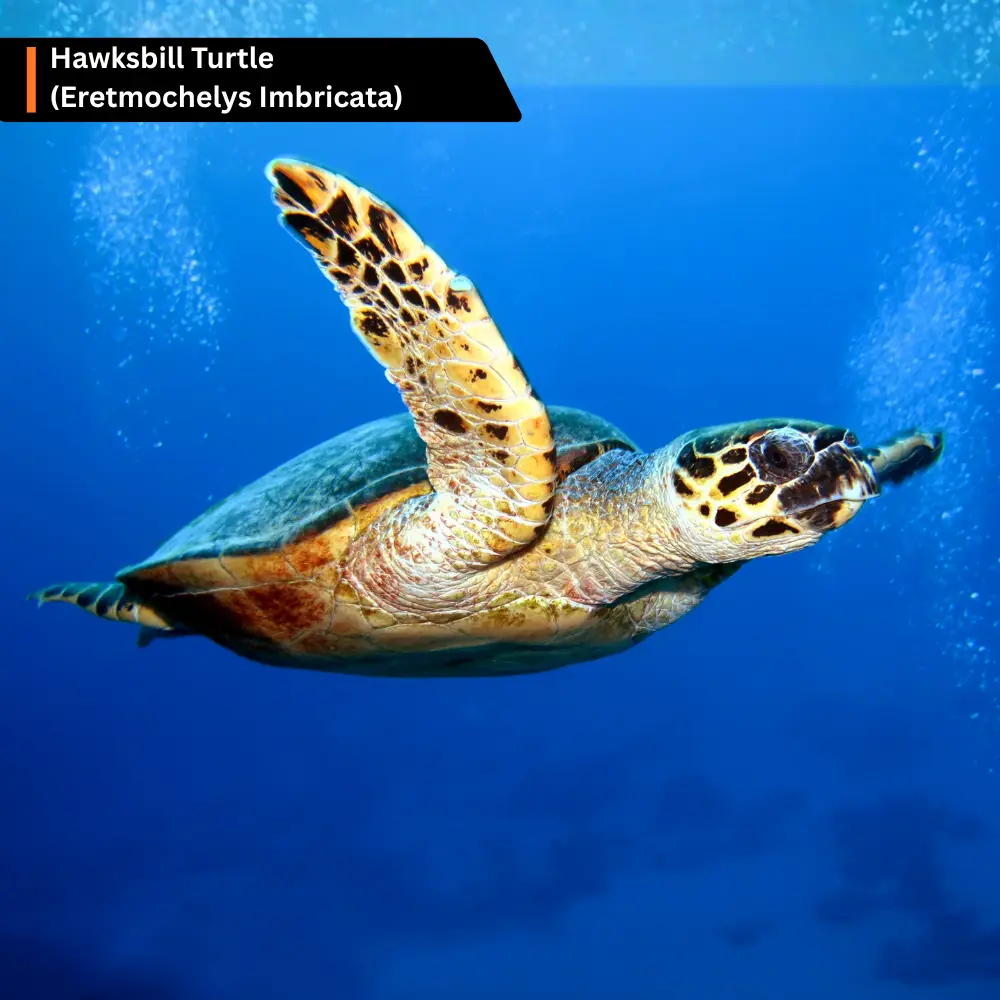
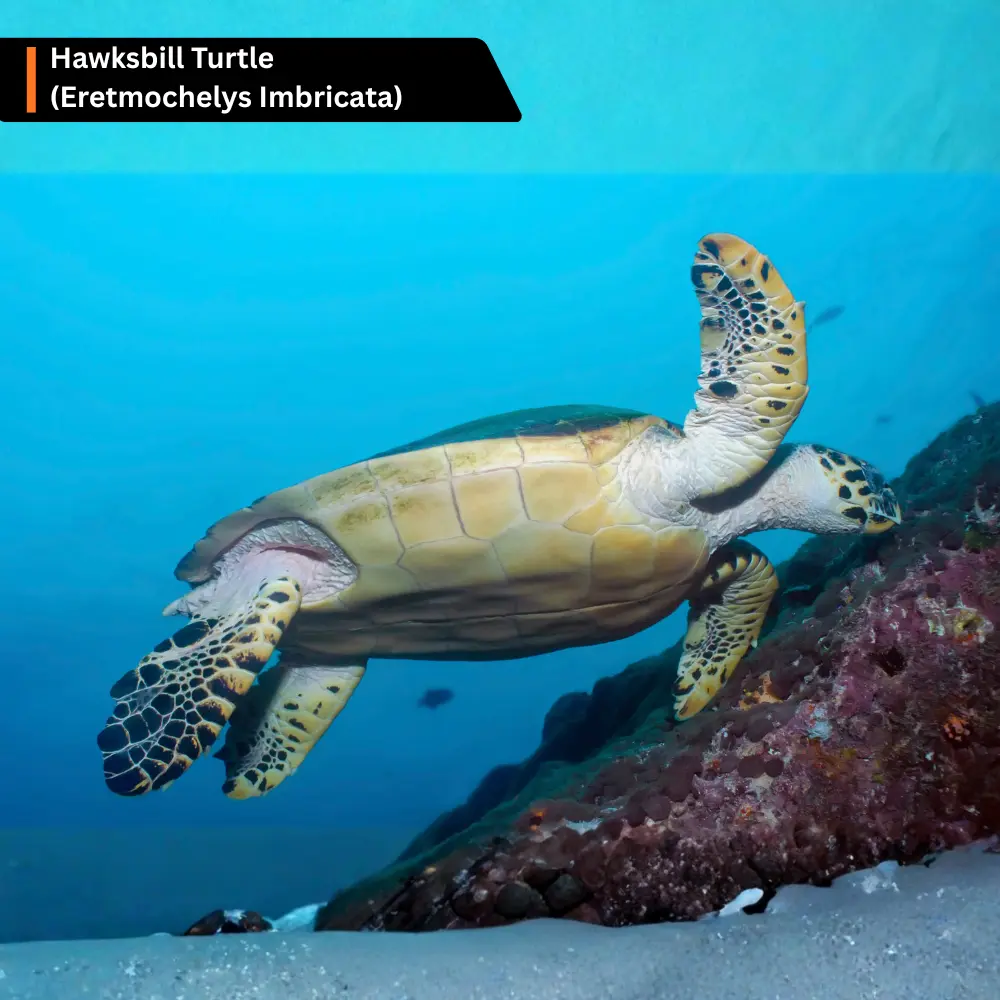
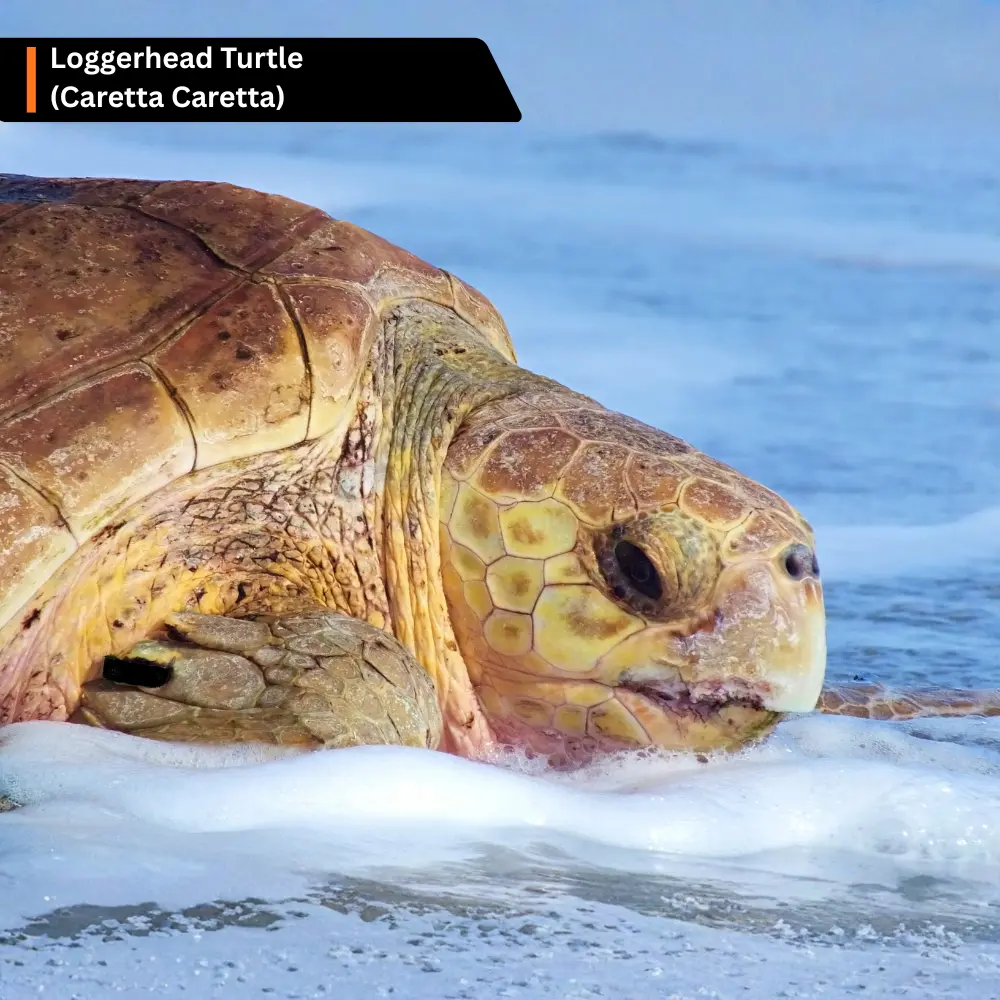
Five species of sea turtle inhabit Maldivian waters. Two are commonly encountered on dives:
- 🐢 Green Sea Turtle (Chelonia mydas) — The most common. Found grazing on seagrass beds and resting on coral heads. Almost guaranteed on every dive.
- 🐢 Hawksbill Turtle (Eretmochelys imbricata) — Distinguished by its narrow, pointed beak. Found feeding on sponges and corals. Seen on most reef dives.
- 🐢 Loggerhead Turtle (Caretta caretta) — Less common. Larger head and jaw. Occasional sightings on deeper reef walls.
- 🐢 Olive Ridley Turtle (Lepidochelys olivacea) — Rare. Occasional open-water sightings on liveaboard routes.
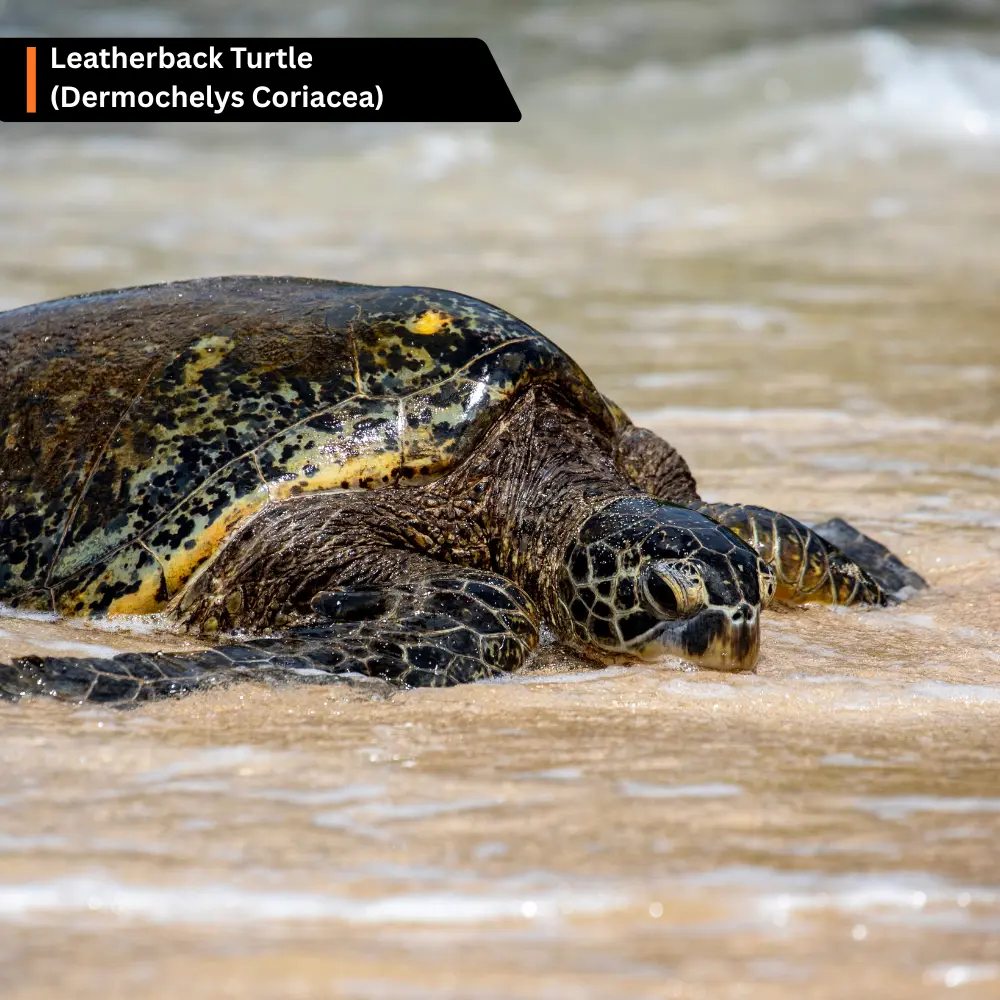
- 🐢 Leatherback Turtle (Dermochelys coriacea) — Very rare. Open ocean only. Occasional sightings on southern atoll routes.
| 💡 Pro Tip: The Maldives is one of the few places in the world where sea turtle populations are genuinely recovering. Strict marine protected areas and responsible dive operators have made a real difference. Respect the turtles — no touching, no chasing, no flash photography. |
🚢 Want to dive with these giants? The most reliable way to encounter both whale sharks and manta rays in a single trip is via a central atoll liveaboard. Compare top-rated Maldives liveaboard itineraries here →

6. Reef Life & Macro of the Maldives
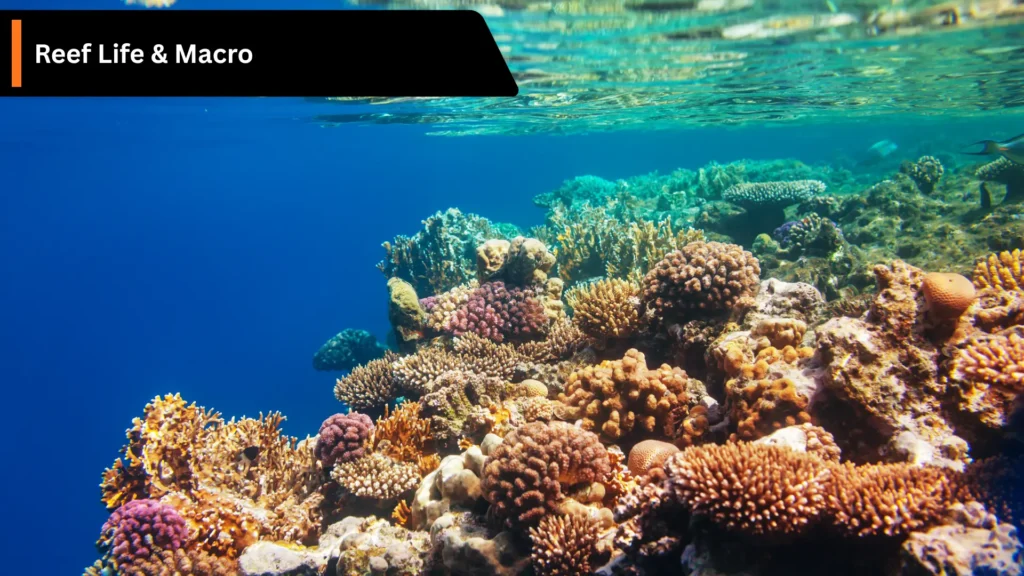
Beyond the big animals — the Maldives reef is teeming with smaller life that rewards patient, observant divers.
Fish You’ll See on Almost Every Dive
- 🐟 Moorish Idol — Distinctive black, white and yellow stripes. Feeds on coral polyps.
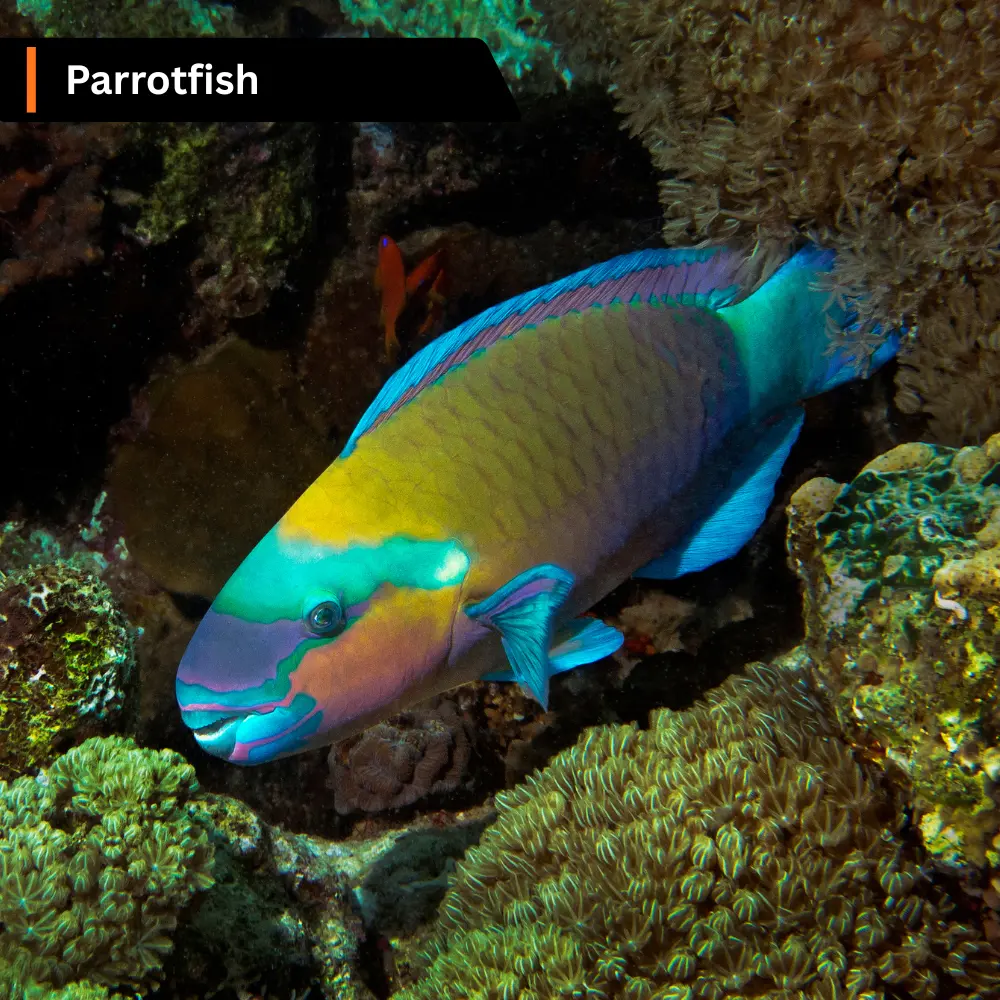
- 🐟 Parrotfish — Constantly grazing on coral. Their waste creates the white sand beaches.
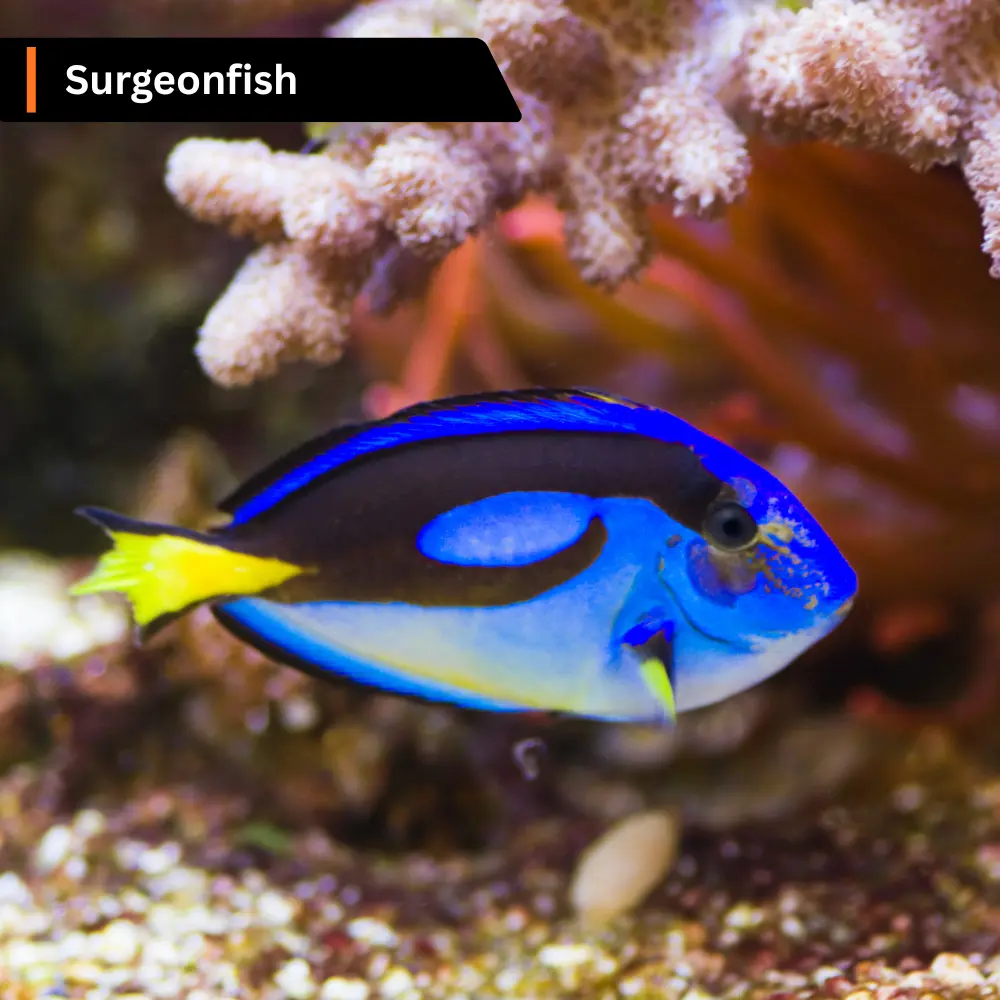
- 🐟 Surgeonfish — Schools of thousands in the channels. Blue, yellow and brown species.
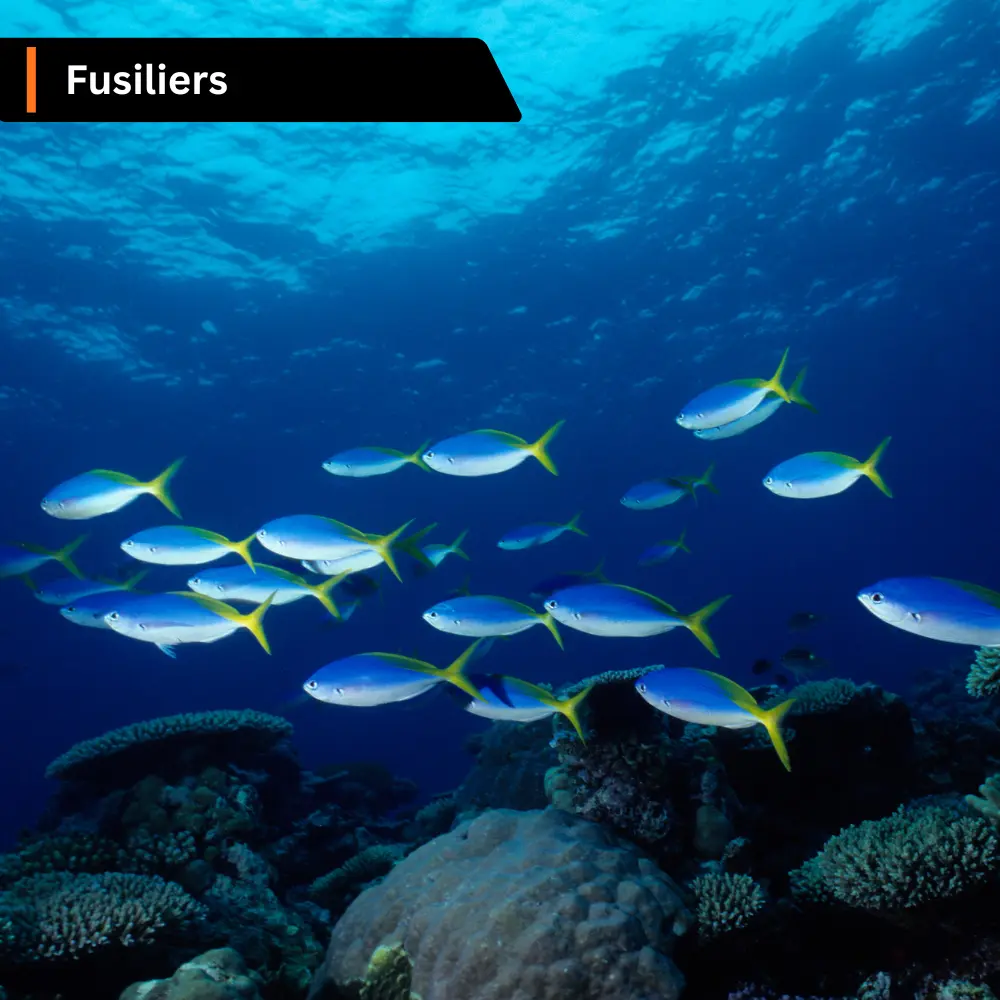
- 🐟 Fusiliers — Enormous schools of silver-blue fish that move like liquid through the water.
- 🐟 Grouper — Large, solitary predators lurking in coral crevices. Some grow to enormous sizes.
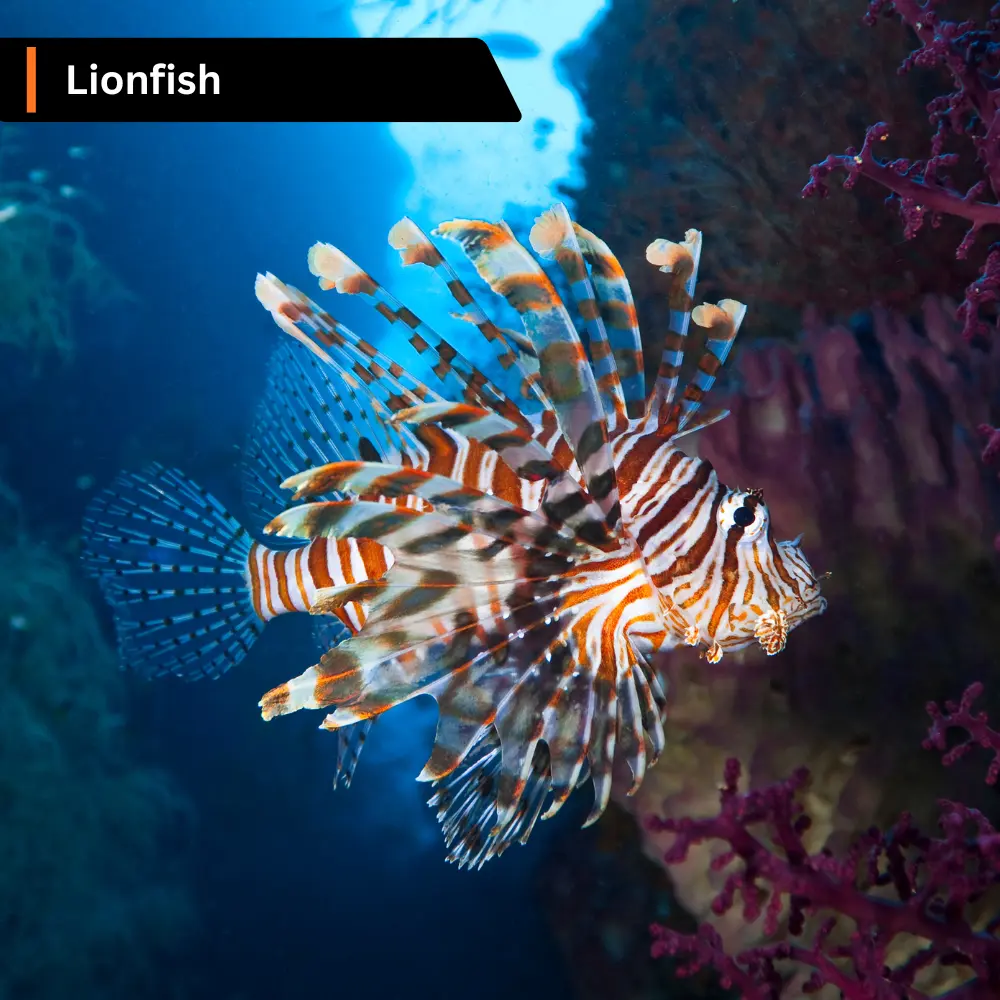
- 🐟 Lionfish — Stunning but venomous. Hovers near the reef, seemingly oblivious to divers.
Macro Life for the Patient Diver
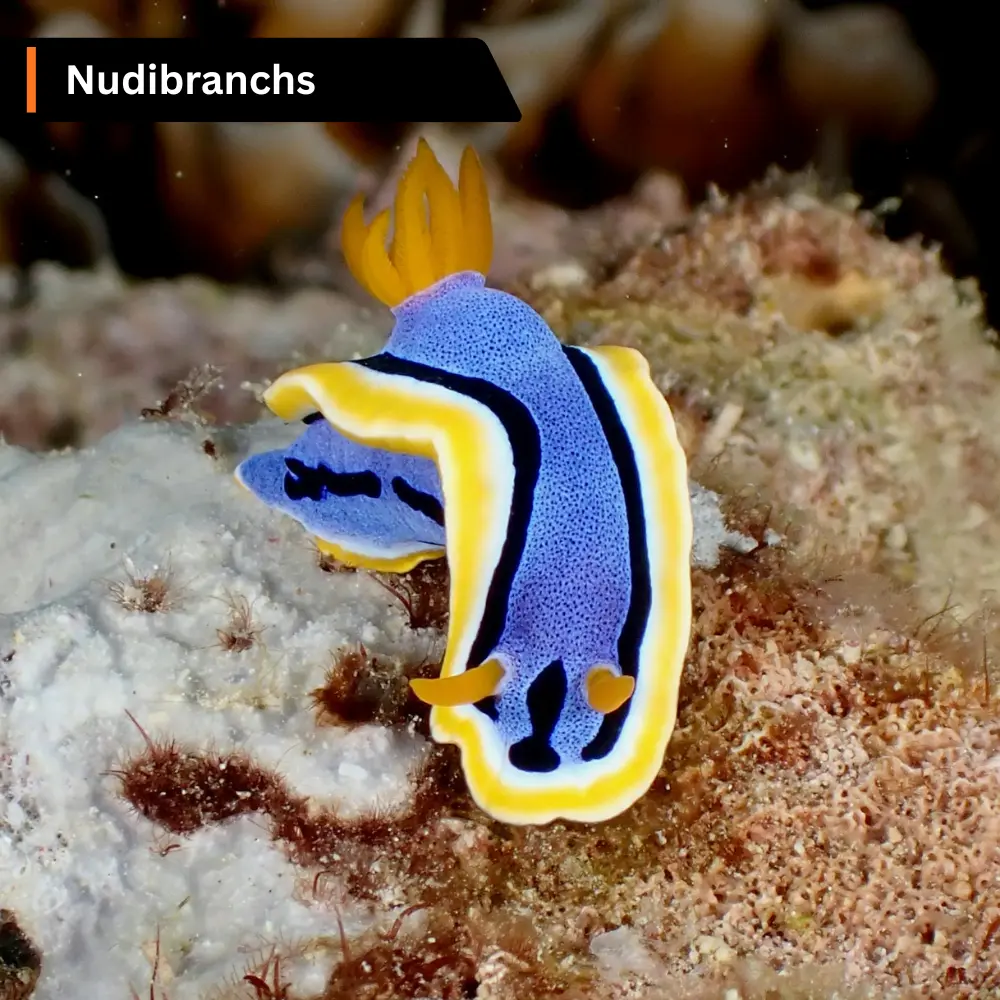
- 🔬 Nudibranchs — Over 200 species. Tiny, vivid, extraordinary. Ask your guide to show you.
- 🔬 Mantis Shrimp — Extraordinarily intelligent crustaceans with the most complex eyes in nature.
- 🔬 Pygmy Seahorse — Microscopic. Camouflaged perfectly on sea fans. Almost impossible to spot without a guide.
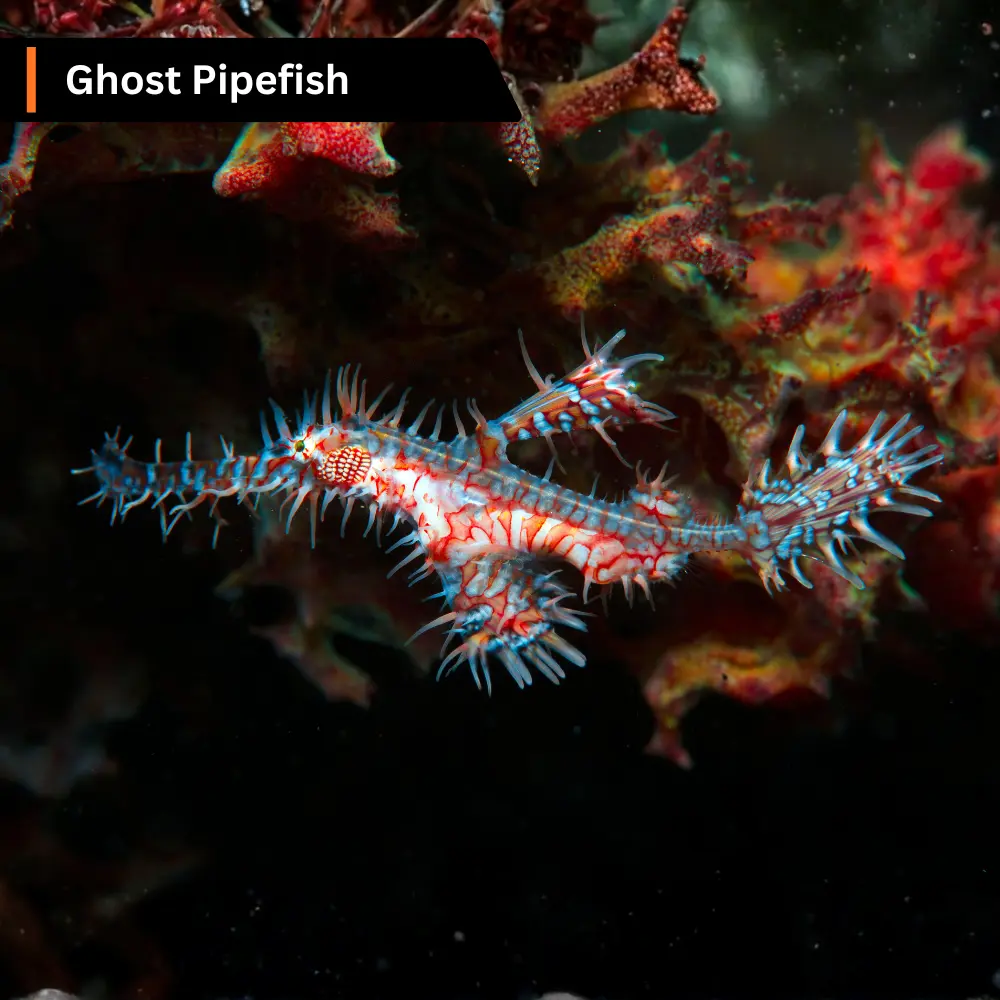
- 🔬 Ghost Pipefish — Masters of camouflage. Hiding in plain sight among crinoids and sea grass.
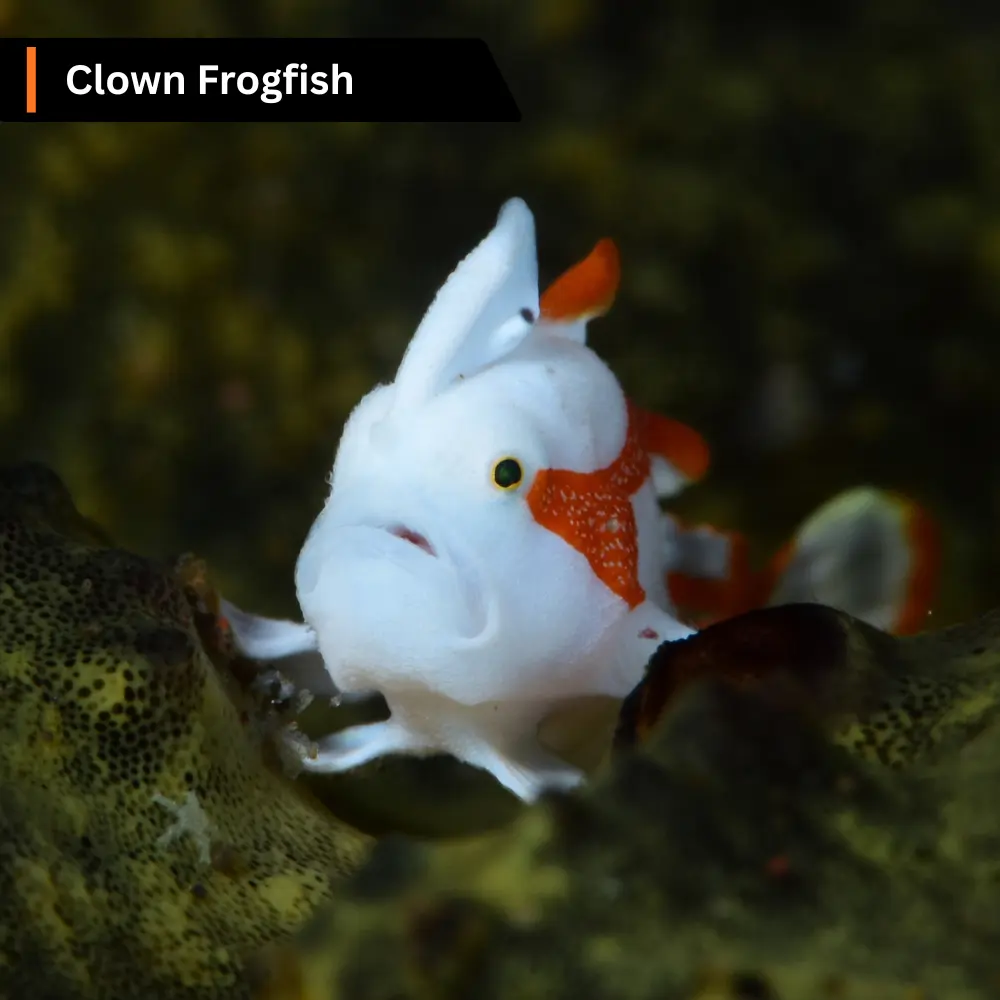
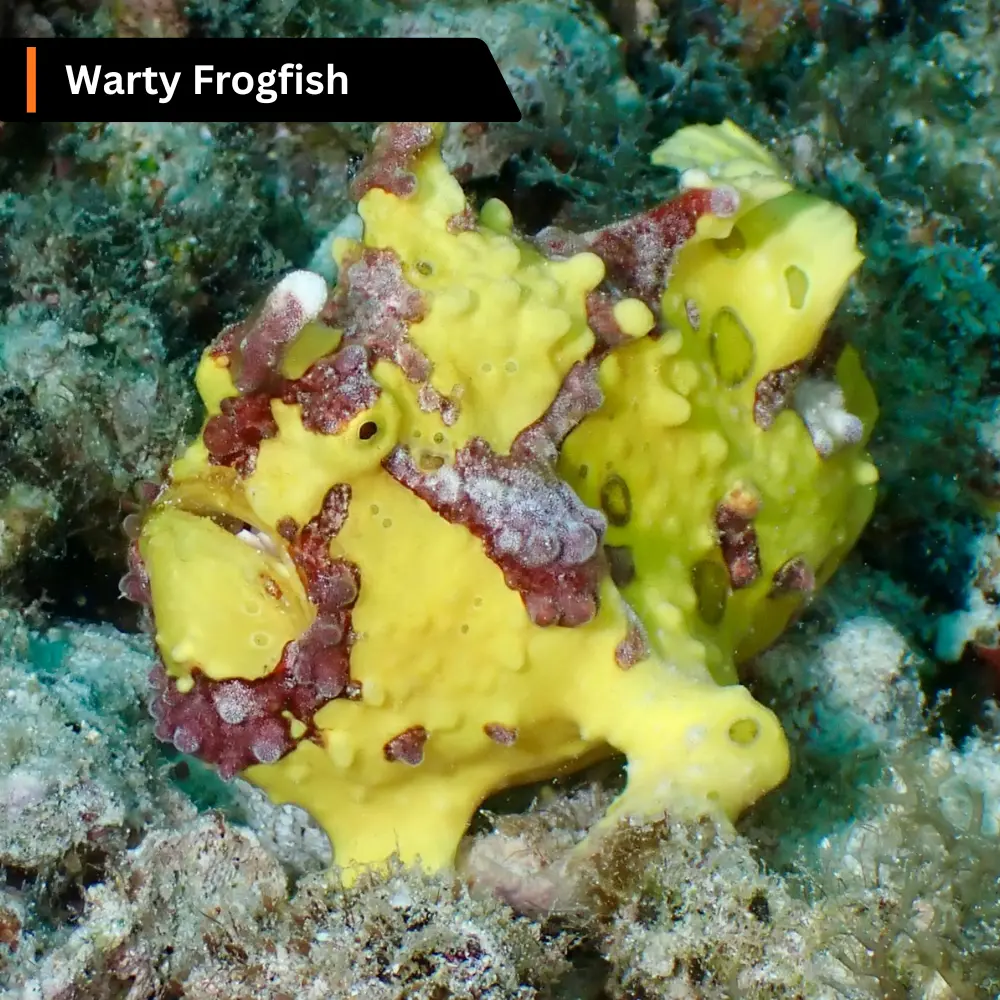
- 🔬 Frogfish — Motionless ambush predators. Can swallow prey larger than themselves in milliseconds.
| 💡 Pro Tip: If macro photography is your passion — request a dive guide who specialises in it. The difference between a general guide and a macro specialist is the difference between seeing 5 nudibranchs and seeing 50. |
🌊 The Maldives Underwater World is Waiting. Don’t just read about it—experience it. Find and book your ultimate Maldives dive resort or liveaboard today on Trip.com →




7. Seasonal Marine Life Calendar
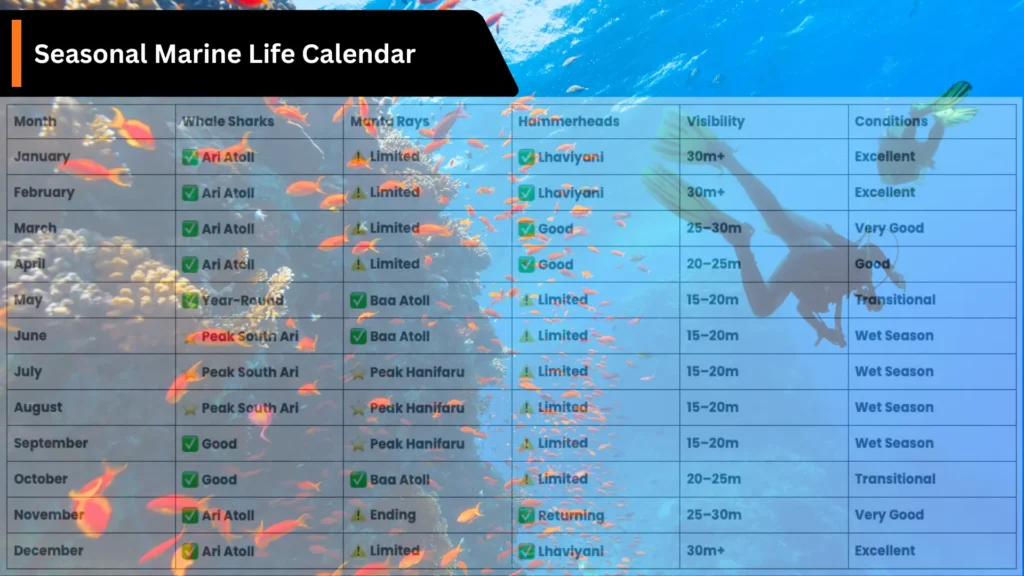
The Maldives has extraordinary marine life year-round. But knowing which species peak in which month makes the difference between a great trip and an unforgettable one.
| Month | Whale Sharks | Manta Rays | Hammerheads | Visibility | Conditions |
| January | ✅ Ari Atoll | ⚠️ Limited | ✅ Lhaviyani | 30m+ | Excellent |
| February | ✅ Ari Atoll | ⚠️ Limited | ✅ Lhaviyani | 30m+ | Excellent |
| March | ✅ Ari Atoll | ⚠️ Limited | ✅ Good | 25–30m | Very Good |
| April | ✅ Ari Atoll | ⚠️ Limited | ✅ Good | 20–25m | Good |
| May | ✅ Year-round | ✅ Baa Atoll | ⚠️ Limited | 15–20m | Transitional |
| June | ⭐ Peak South Ari | ✅ Baa Atoll | ⚠️ Limited | 15–20m | Wet Season |
| July | ⭐ Peak South Ari | ⭐ Peak Hanifaru | ⚠️ Limited | 15–20m | Wet Season |
| August | ⭐ Peak South Ari | ⭐ Peak Hanifaru | ⚠️ Limited | 15–20m | Wet Season |
| September | ✅ Good | ⭐ Peak Hanifaru | ⚠️ Limited | 15–20m | Wet Season |
| October | ✅ Good | ✅ Baa Atoll | ⚠️ Limited | 20–25m | Transitional |
| November | ✅ Ari Atoll | ⚠️ Ending | ✅ Returning | 25–30m | Very Good |
| December | ✅ Ari Atoll | ⚠️ Limited | ✅ Lhaviyani | 30m+ | Excellent |
⭐ = Peak season ✅ = Good sightings ⚠️ = Limited / variable
| 💡 Pro Tip: There is no ‘bad month’ to dive the Maldives. The wet season (May–October) brings lower visibility but more current — which attracts more pelagic life. The dry season (November–April) offers the best visibility and calmest conditions. |
🌊 The Maldives Underwater World is Waiting. Don’t just read about it—experience it. Find and book your ultimate Maldives dive resort or liveaboard today on Trip.com →
8. Best Atolls for Each Species
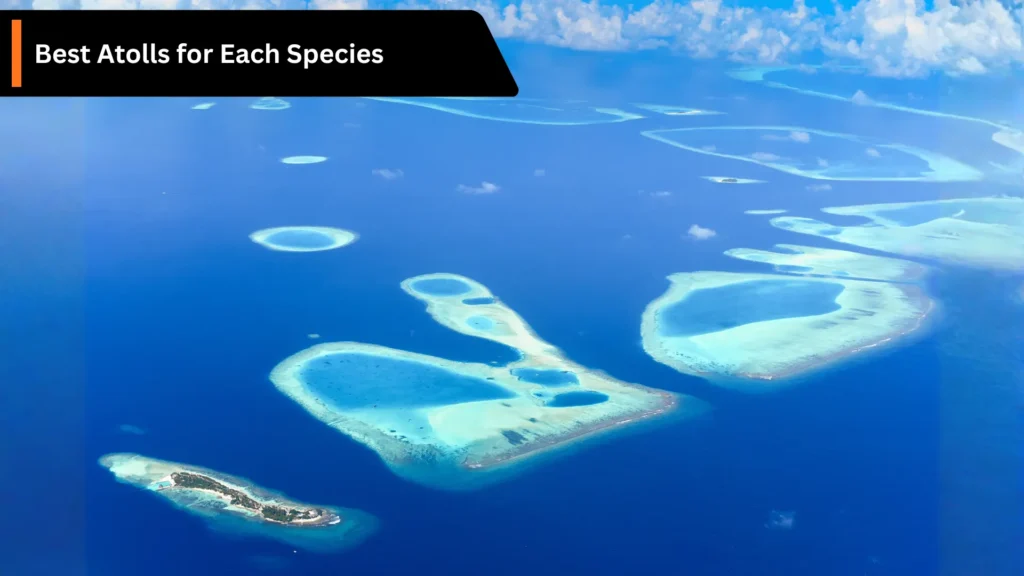
Quick reference — where to go for what you want to see:
- 🐋 Whale Sharks → South Ari Atoll (year-round, most reliable) | Dhigurah, Rangali
- 🦅 Manta Rays → Baa Atoll, Hanifaru Bay (May–Nov) | North Malé, Manta Point (year-round)
- 🔱 Hammerheads → Lhaviyani Atoll, Kuredu Express | South Malé, Kandooma Thila
- 🦈 Grey Reef Sharks → Every atoll — North Malé channels are most accessible
- 🦈 White Tip Reef Sharks → Ari Atoll, Maaya Thila (best on night dives)
- 🦈 Tiger Sharks → Fuvahmulah Atoll, Deep South (January–March only)
- 🐢 Sea Turtles → Every atoll — North Malé cleaning stations are most reliable
- 🦅 Eagle Rays → South Malé channels | Ari Atoll outer reefs
- 🐟 Napoleon Wrasse → Banana Reef, North Malé | Fish Head, Ari Atoll
- 🔬 Macro Life → Any protected thila — ask your dive guide specifically
| ✍️ If I had to pick one creature that holds my absolute fascination, it would be the Oceanic Manta Ray; their sheer wingspan and the effortless, bird-like way they fly through powerful currents is a mesmerizing dance I will never tire of chasing. |
9. Frequently Asked Questions

Q: Are sharks dangerous in the Maldives?
A: No. The sharks you’ll encounter on most Maldives dives — grey reef sharks, white tips, nurse sharks — pose no real threat to divers. Stay calm, move slowly, and observe from a distance. Shark encounters are a sign of a healthy reef.
Q: Is it safe to swim with whale sharks?
A: Yes — whale sharks are filter feeders and completely harmless. They eat plankton, not divers. The key rules: don’t touch, don’t chase, and maintain a respectful distance. Let them come to you.
Q: When is the best time to see manta rays in the Maldives?
A: For mass aggregations at Hanifaru Bay in Baa Atoll — July to October is peak season. Reef manta rays are present year-round at cleaning stations in North Malé.
Q: Can I see whale sharks year-round?
A: Yes — Ari Atoll has year-round whale shark presence, with peak sightings from June to September in South Ari. No other atoll in the Maldives offers this consistency.
Q: What marine life can beginners expect to see?
A: Beginners diving North Malé Atoll can expect: reef sharks, sea turtles, Napoleon wrasse, eagle rays, and extraordinary coral gardens. Big animal encounters are possible even on your first dive.
Q: Is night diving worth it in the Maldives?
A: Absolutely. The Alimatha Jetty night dive in Vaavu Atoll — where nurse sharks and stingrays gather under the jetty lights — is one of the most extraordinary dive experiences on earth. Don’t miss it.
Q: What is the rarest marine animal in the Maldives?
A: Tiger sharks at Fuvahmulah Atoll are among the rarest reliable encounters. The deep south — only accessible January to March — also offers oceanic manta rays and whale sharks in remote, uncrowded waters.
Final Word
The marine life of the Maldives doesn’t need superlatives.
Whale sharks. Manta rays. Hammerheads. Reef sharks. Sea turtles.
All of them. Often in the same week.
Plan around the species you most want to see — choose the right atoll, the right season, the right boat — and the Maldives will exceed your expectations.
It always does.
🚢 Want to dive with these giants? The most reliable way to encounter both whale sharks and manta rays in a single trip is via a central atoll liveaboard. Compare top-rated Maldives liveaboard itineraries here →
🌊 The Maldives Underwater World is Waiting. Don’t just read about it—experience it. Find and book your ultimate Maldives dive resort or liveaboard today on Trip.com →
Explore More