Sharks of Maldives: 25+ Species, Are They Dangerous & Where to See Them
The Maldives is home to over 25 shark species.
From the gentle whale shark at 12 metres long to the nimble blacktip reef shark patrolling the shallows — the sheer diversity of sharks in these waters is one of the primary reasons serious divers come here.
But the questions people ask most are simpler than that:
Are they dangerous? Which ones should I worry about? And why — despite all these sharks — are attacks almost unheard of?
This guide answers all of it. Every major species. Honest danger assessments. Where to see each one. And a definitive answer to the great white shark question that keeps appearing in searches.
| ✍️ Sliding into the warm, crystalline waters of a Maldivian channel while a dozen grey reef sharks seamlessly slice through the current is a visual lesson in pure design. There is a fleeting pocket of instinctive human fear, yes, but it is almost immediately overwritten by a deep, meditative fascination. You realize you aren’t looking at a monster; you are looking at perfect evolutionary geometry in motion, moving with a silent, fluid elegance that is nothing short of breathtaking. |
1. How Many Shark Species Are in the Maldives?

The Maldives is officially recognised as one of the world’s great shark sanctuaries — with over 25 species documented in its waters.
| Quick Facts — Sharks of the Maldives 25+ documented shark species in Maldivian waters The Maldives has been a complete shark fishing ban zone since 2010 Shark attacks in the Maldives: extremely rare — no fatalities on record from recreational diving Great white sharks: NOT present — water is too warm Most common species: grey reef shark, blacktip reef shark, white tip reef shark, nurse shark, whale shark |
2. Why Are Shark Attacks Almost Unheard of in the Maldives?

This is the question that surprises most first-time Maldives visitors.
Twenty-five shark species. Millions of diver interactions per year. And yet — serious unprovoked attacks on recreational divers are extraordinarily rare.
There are several genuine reasons for this:
- 🦈 Species composition — The vast majority of Maldives sharks are reef species (grey reef, white tip, blacktip, nurse) that are not naturally aggressive toward humans and pose no realistic threat.
- 🍽️ No feeding programmes — Unlike some destinations, Maldives dive operators do not feed sharks to attract them. The sharks here are completely wild and have no learned association between divers and food.
- 🌊 Clear water and high visibility — Maldives visibility averages 25–35m. Sharks can see divers from a long distance and choose to avoid or investigate cautiously — not ambush from murky water.
- 🧘 Diver behaviour — Experienced guides brief divers on correct behaviour. Calm, controlled diving in the Maldives means sharks are never provoked.
- ✅ Shark sanctuary status — The Maldives banned shark fishing in 2010. A protected shark population is a healthy, non-stressed population — less likely to exhibit defensive behaviour.
- 📊 Statistical reality — The species most associated with attacks globally (great white, oceanic whitetip in significant numbers) are either absent or extremely rare in Maldivian waters.
| The Bottom Line: Sharks in the Maldives are not a danger to recreational divers. They are a reason to come. A healthy shark population is the sign of a healthy reef — and the Maldives has both. |
| ✍️ Before you dive with them, your perception of sharks is inevitably stained by Hollywood’s theatrical terror and sensationalized media headlines. But once you kneel on a sandy patch in Vaavu or hover beside a cleaning station in Ari Atoll, everything changes. The mindless, bloodthirsty predator myth is replaced by the reality of a highly organized, surprisingly cautious, and absolutely vital steward of the reef. You stop looking for threat signals and start admiring their calculated intelligence. |
3. The Common Sharks — What You’ll See on Most Dives
These are the species you’ll almost certainly encounter on any Maldives diving trip:
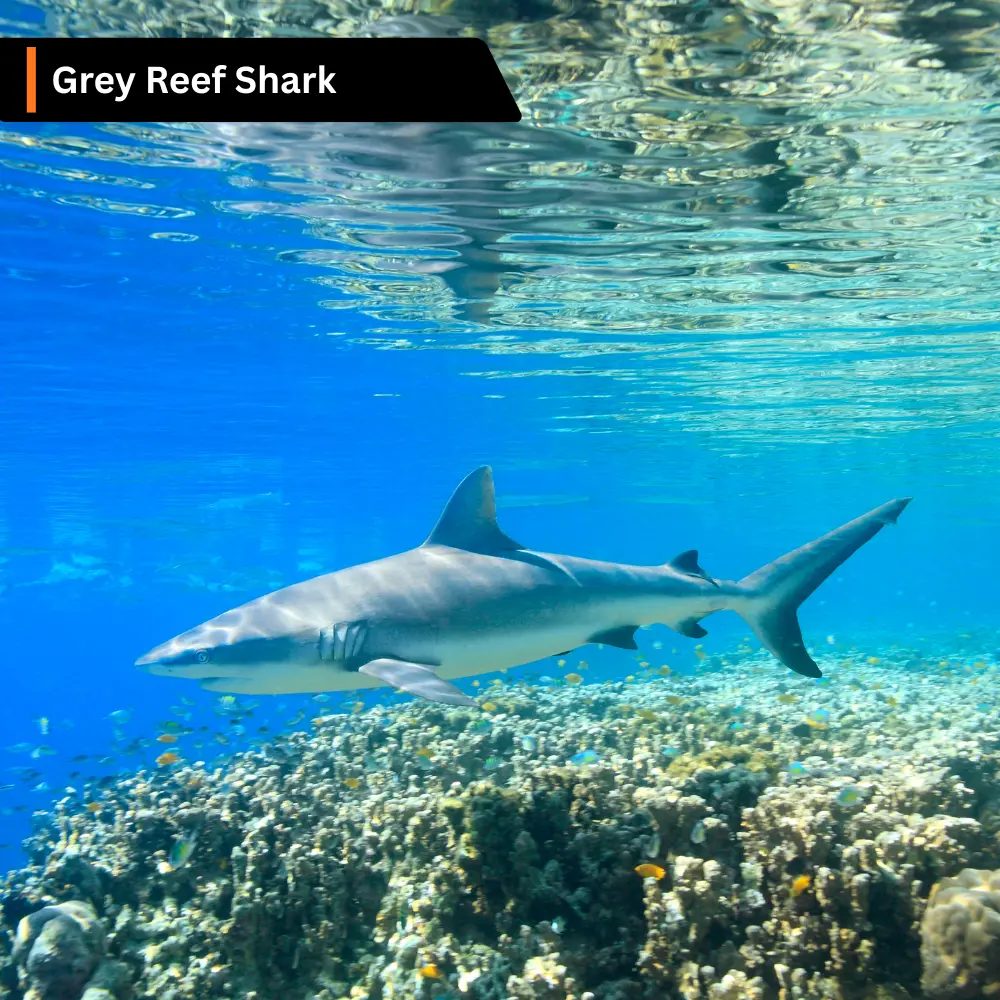
| 🦈 Grey Reef Shark Carcharhinus amblyrhynchos |
| 📏 Size: 1.5–2m | ⚠️ Danger Level: ✅ Safe The most commonly encountered shark on Maldives dives. Grey reef sharks patrol the reef edges and channels with the unhurried confidence of animals at the top of their food chain. They will approach divers curiously but pose no realistic threat when treated with basic respect. Schools of 5–20 are common at channel sites like Fotteyo Wall and Miyaru Channel in Vaavu Atoll. 📍 Where: All atolls — channels, reef walls, thilas 📅 When: Year-round — most reliable at channel dive sites |
| 🦈 White Tip Reef Shark Triaenodon obesus |
| 📏 Size: 1.5–2m | ⚠️ Danger Level: ✅ Safe One of the most photogenic sharks in the Maldives. White tips rest under coral heads during the day — often in groups of 3–8, piled on top of each other. At night, they transform: hunting in coordinated packs through the reef, flushing fish from crevices. The Alimatha Jetty night dive in Vaavu Atoll and Maaya Thila in Ari Atoll offer some of the most extraordinary white tip hunting behaviour available to recreational divers. 📍 Where: All atolls — coral heads, sandy bottoms, under ledges 📅 When: Year-round — spectacular on night dives |
| 🦈 Blacktip Reef Shark Carcharhinus melanopterus |
| 📏 Size: 1.5–1.8m | ⚠️ Danger Level: ✅ Safe The most recognisable shark in the Maldives — the distinctive black-tipped fins are often visible cutting through the water at the reef edge. Blacktips are frequently seen from the surface and in very shallow water (1–3m), making them accessible to snorkelers and non-divers. Completely harmless to humans. Their presence in the shallows is often the first shark encounter for new Maldives visitors. 📍 Where: Shallow reefs, lagoons, reef edges — all atolls 📅 When: Year-round — often visible from the surface |
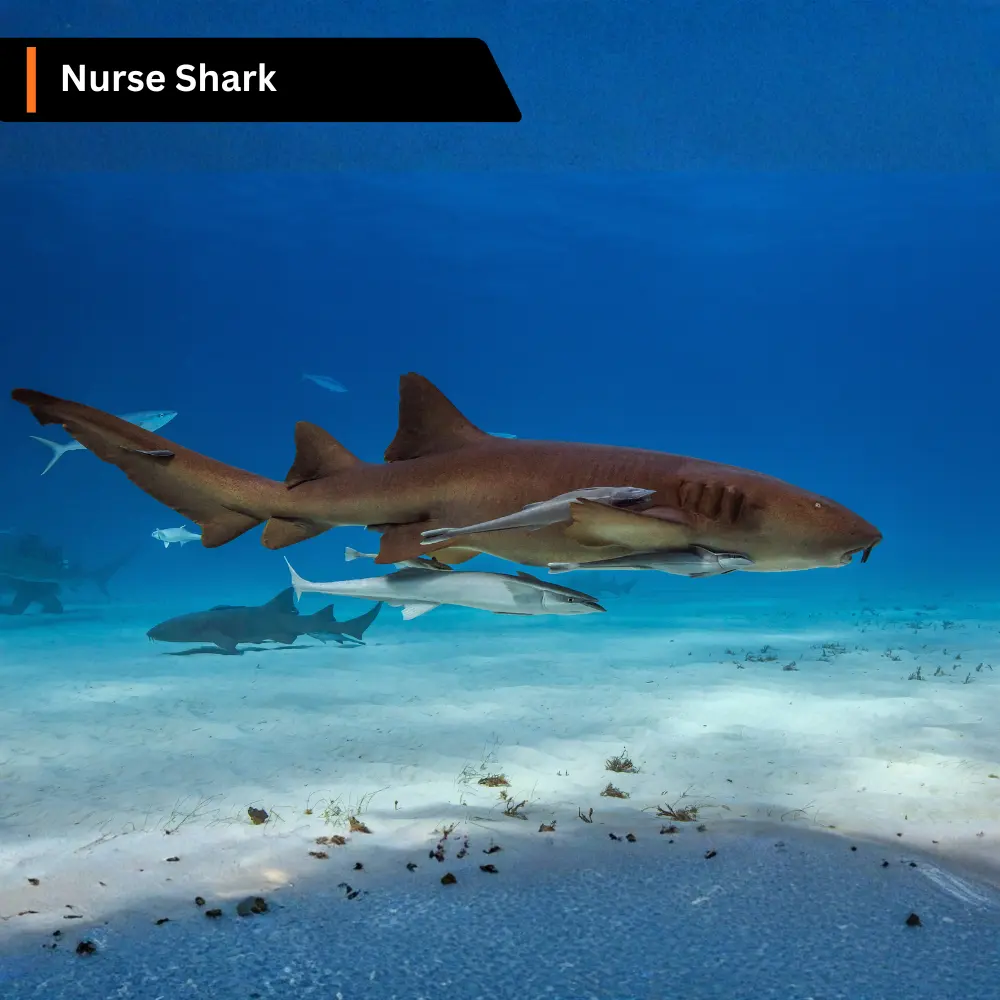
| 🦈 Nurse Shark Ginglymostoma cirratum |
| 📏 Size: 2–3m | ⚠️ Danger Level: ✅ Very Safe The most docile shark in the Maldives. Nurse sharks spend their days resting motionless under coral heads and in sandy channels. At the Alimatha Jetty night dive in Vaavu Atoll, dozens gather under the lights — gliding between divers’ legs, occasionally nudging equipment out of curiosity. They are so habituated to diver presence that they are often described as the ‘friendliest’ sharks in the ocean. Note: despite their docile nature, nurse sharks can and will bite if grabbed or sat upon — which should never happen. 📍 Where: Sandy bottoms, under coral heads, Alimatha Jetty night dive 📅 When: Year-round — spectacular at Alimatha at night |
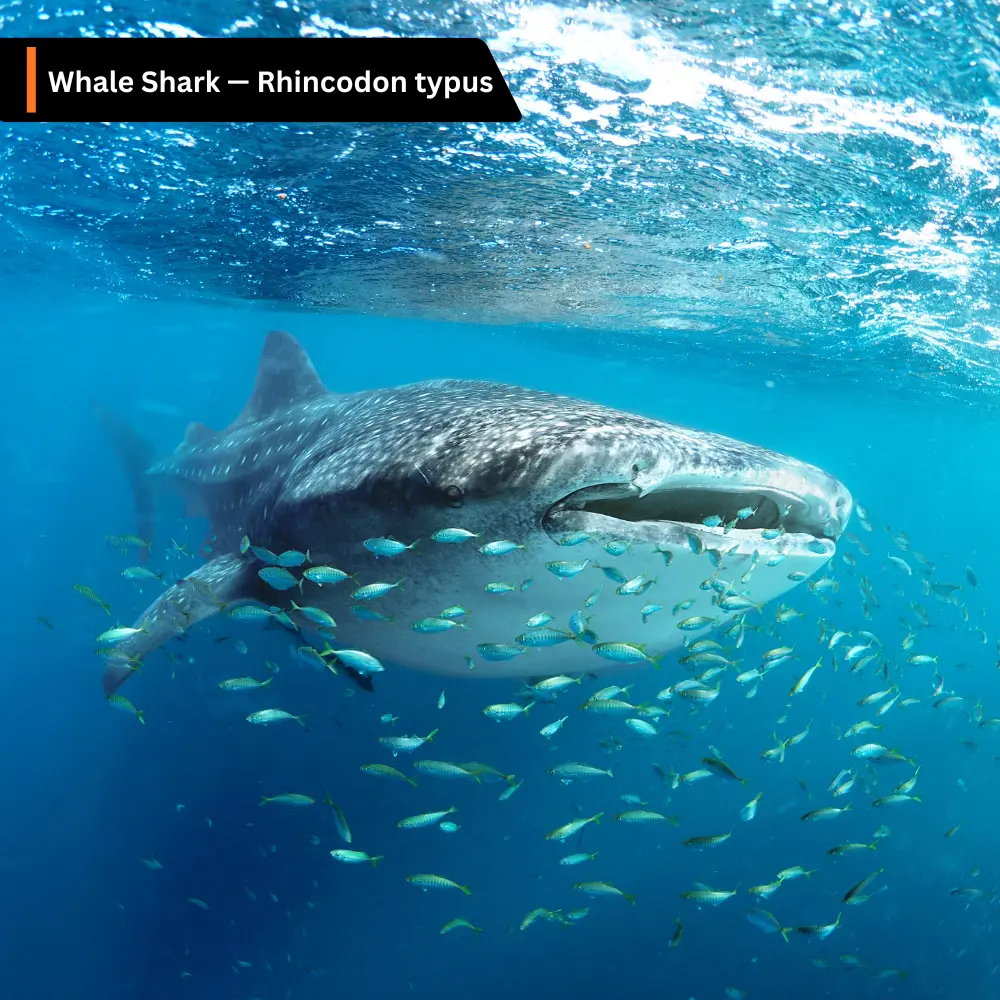
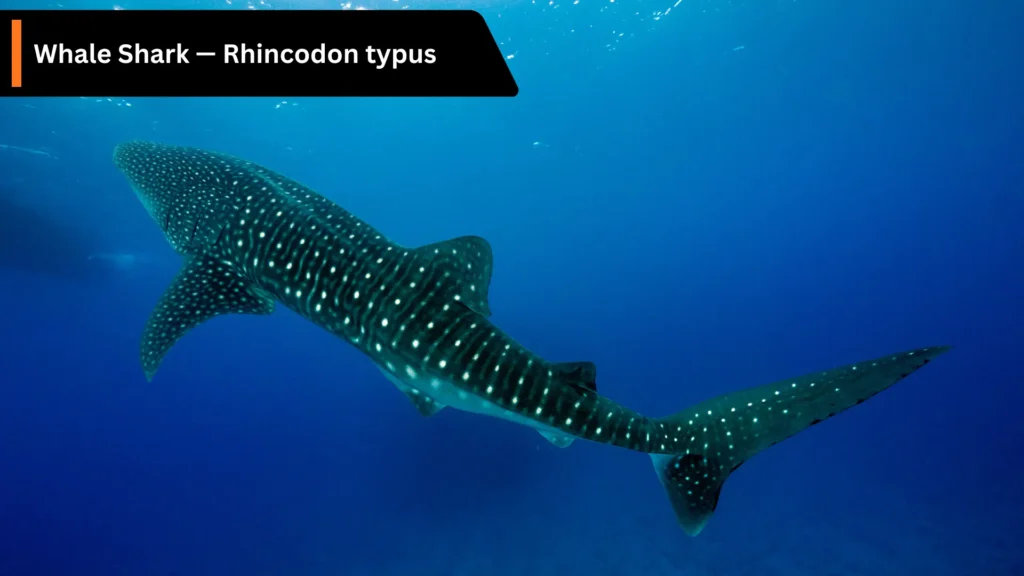
| 🦈 Whale Shark Rhincodon typus |
| 📏 Size: 8–12m | ⚠️ Danger Level: ✅ Very Safe The largest fish on earth and the most iconic Maldives shark encounter. Whale sharks are filter feeders — they eat plankton and pose absolutely no threat to divers. South Ari Atoll hosts the world’s most reliable year-round whale shark population. Dhigurah South Point is the single most consistent site. These animals have been studied individually — some named sharks have been returning to the same locations for over a decade. 📍 Where: South Ari Atoll (year-round), Baa Atoll (occasional) 📅 When: Year-round in South Ari — peak June to September |

🐋 Dreaming of Swimming with Whale Sharks?
The most reliable way to cross the whale shark off your bucket list is to book a liveaboard that runs the Central Atolls (Best of Maldives) route, which always spends 1–2 days searching for these gentle giants in South Ari.
👉 Browse and compare all Central Route Liveaboards on liveaboards.com →
Prefer staying on land? Dhigurah Island is the land-based capital for whale sharks. Check top guesthouses and hotels in Dhigurah on Trip.com →
4. The Specialist Encounters — Planning Required
These species require the right atoll, the right season, and sometimes the right certification:
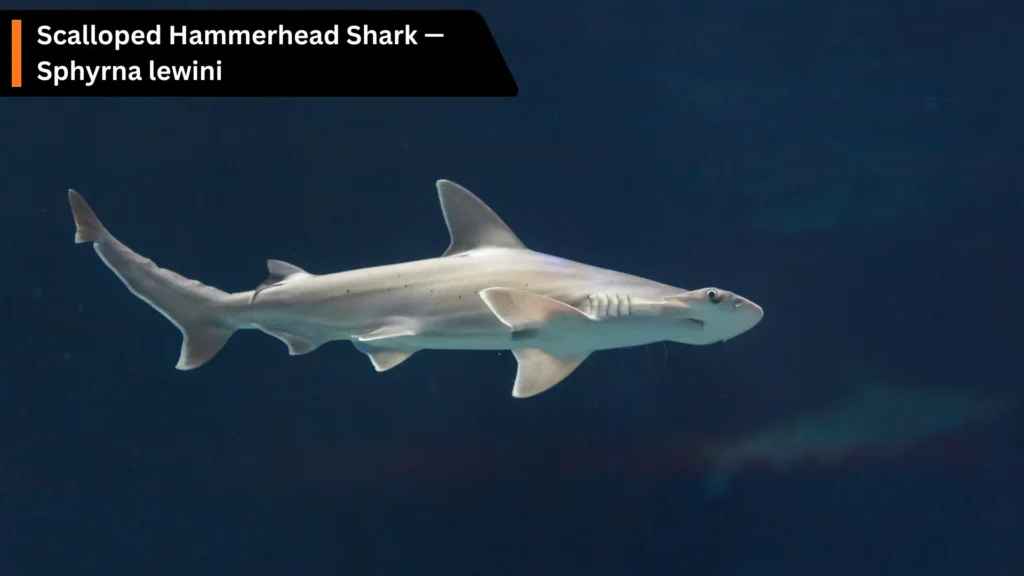
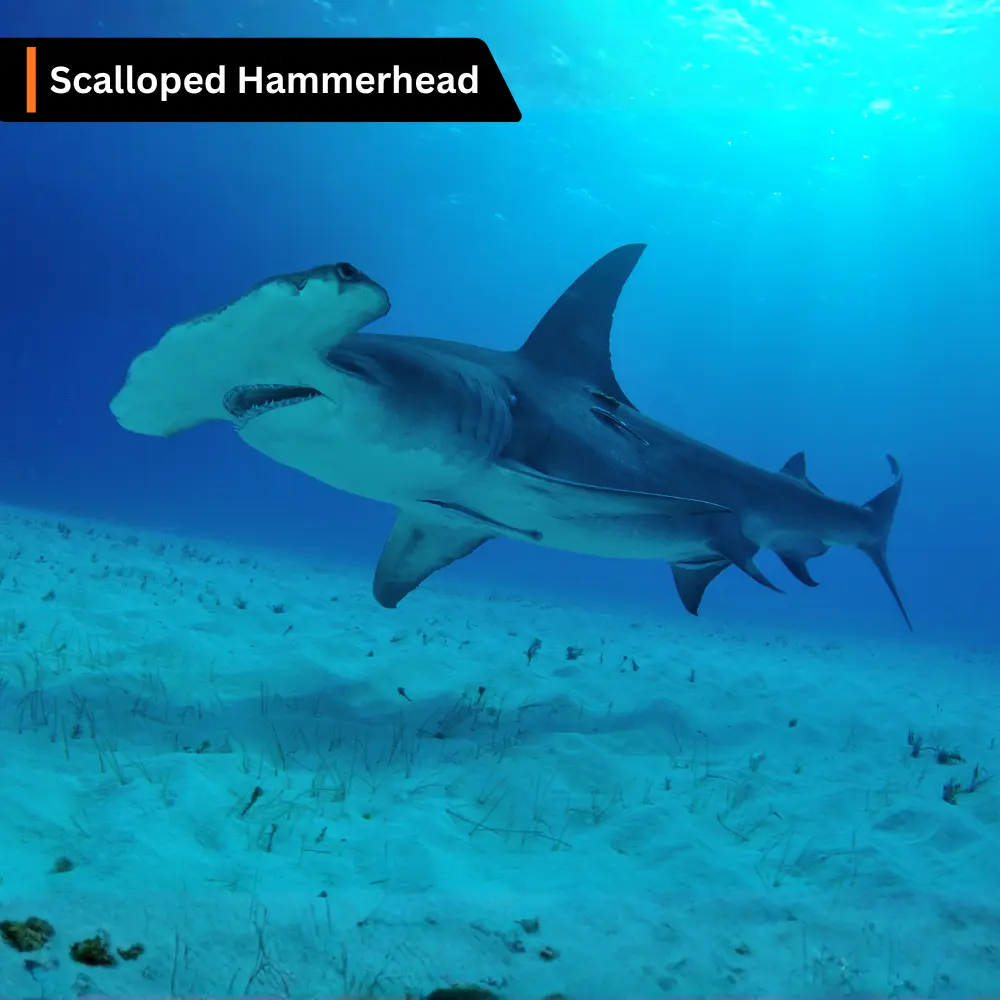
| 🦈 Scalloped Hammerhead Shark Sphyrna lewini |
| 📏 Size: 3–4m | ⚠️ Danger Level: ✅ Safe One of the most sought-after shark encounters in the Maldives. Hammerheads rise from the deep at dawn to feed in warmer surface waters — then descend again as the sun rises. The window is narrow: typically 30–45 minutes at first light. Lhaviyani Atoll is the most reliable location, with the Kuredu Express channel producing consistent sightings from November to April. Advanced Open Water recommended. 📍 Where: Lhaviyani Atoll (Kuredu Express), South Malé (Kandooma Thila) 📅 When: November to April — dawn dives only before 7am |
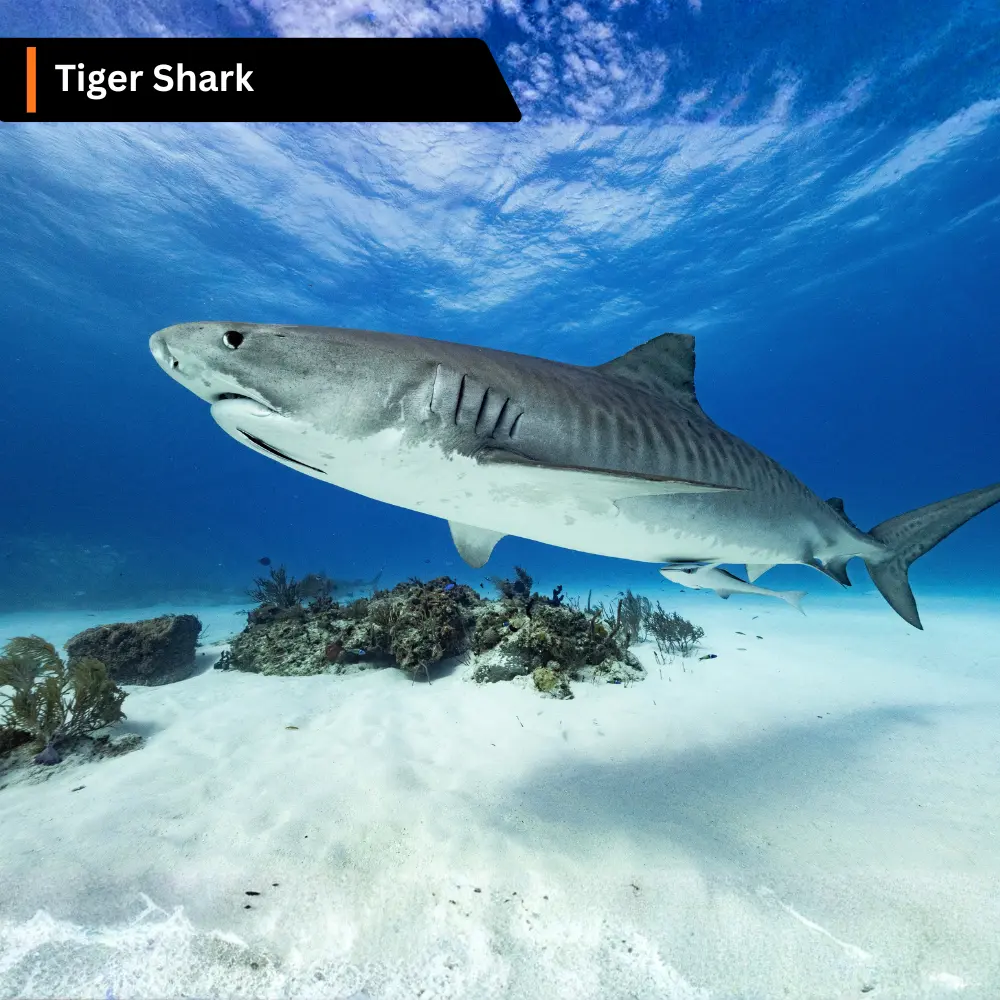
| 🦈 Tiger Shark Galeocerdo cuvier |
| 📏 Size: 3–5m | ⚠️ Danger Level: ⚠️ Respect Required The most advanced shark encounter available in the Maldives — and one of the most extraordinary wildlife experiences on earth. Over 300 individual tiger sharks have been catalogued at Fuvahmulah, including named individuals like Rose (4.5m). These are open water encounters with apex predators — no cage, no baiting, no feeding. Requires Advanced Open Water minimum and 50+ logged dives. Serious operators assess fitness before allowing divers in the water. 📍 Where: Fuvahmulah Atoll ONLY — deep channel 📅 When: January to March — strict seasonal window, dawn dives |
🐋 Dreaming of Swimming with Whale Sharks?
The most reliable way to cross the whale shark off your bucket list is to book a liveaboard that runs the Central Atolls (Best of Maldives) route, which always spends 1–2 days searching for these gentle giants in South Ari.
👉 Browse and compare all Central Route Liveaboards on liveaboards.com →
Prefer staying on land? Dhigurah Island is the land-based capital for whale sharks. Check top guesthouses and hotels in Dhigurah on Trip.com →
5. The Rare and Occasional Species

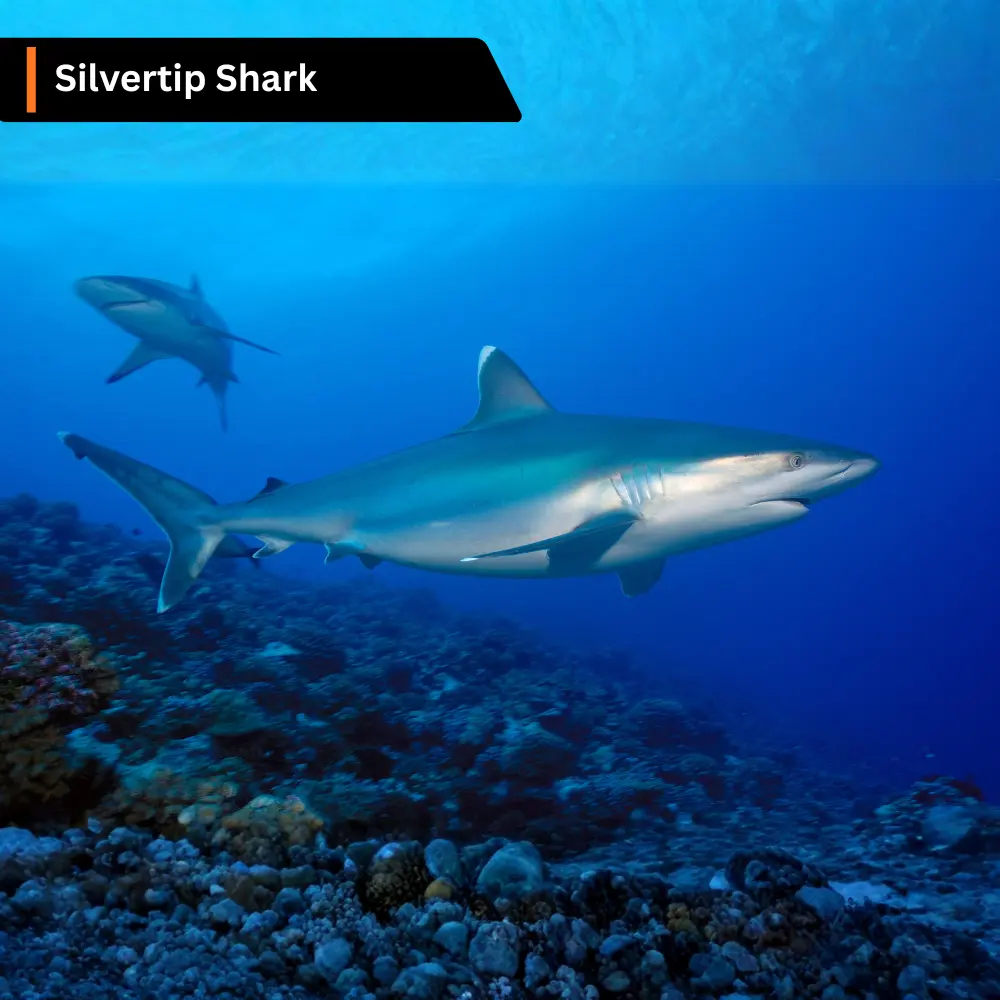
- 🦈 Silvertip Shark (Carcharhinus albimarginatus) — Elegant, silver-tipped fins. Prefers outer reef walls and drop-offs. Occasional sightings on deeper advanced dives. Not dangerous.
- 🦈 Tawny Nurse Shark (Nebrius ferrugineus) — Larger than the common nurse shark. Nocturnal. Sometimes seen resting in caves and under overhangs during the day.
- 🦈 Zebra Shark / Leopard Shark (Stegostoma fasciatum) — Beautiful spotted pattern. Rests on sandy bottoms. Completely harmless. Excellent photography subject.
- 🦈 Bull Shark (Carcharhinus leucas) — Occasional sightings in deep channels. More caution warranted than with reef species — bull sharks are associated with the majority of attacks globally. Very rare in the Maldives but present.
- 🦈 Oceanic Whitetip (Carcharhinus longimanus) — Open ocean species. Rare inshore sightings. More caution required than reef species. Usually only encountered on liveaboard crossings.
- 🦈 Blacktip Shark (Carcharhinus limbatus) — Different from the blacktip reef shark. Faster, more open-water oriented. Occasional passes near outer reefs.
See how luxury inclusions like free Nitrox and à la carte dining are handled in our Spirit of Maldives breakdown
6. Complete Species Table — All 25+ Sharks
Quick reference for every major shark species in the Maldives:
| Species | Size | Danger | Common? | Best Site |
| Whale Shark | 8–12m | ✅ Safe | ⭐ Very Common | South Ari Atoll — year-round |
| Grey Reef Shark | 1.5–2m | ✅ Safe | ⭐ Everywhere | All atolls — year-round |
| White Tip Reef Shark | 1.5–2m | ✅ Safe | ⭐ Very Common | All atolls — esp. night dives |
| Nurse Shark | 2–3m | ✅ Safe | ⭐ Very Common | Sandy bottoms, all atolls |
| Blacktip Reef Shark | 1.5–1.8m | ✅ Safe | ⭐ Very Common | Shallow reefs, all atolls |
| Scalloped Hammerhead | 3–4m | ✅ Safe | ✅ Seasonal | Lhaviyani — Nov to Apr dawn |
| Tiger Shark | 3–5m | ⚠️ Respect | ⚠️ Fuvahmulah only | Fuvahmulah — Jan to Mar |
| Bull Shark | 2–3m | ⚠️ Caution | ⚠️ Very Rare | Deep channels — occasional |
| Silvertip Shark | 2–2.5m | ✅ Safe | ✅ Uncommon | Outer reefs, deeper dives |
| Tawny Nurse Shark | 2.5–3m | ✅ Safe | ✅ Common | Resting under coral heads |
| Zebra Shark (Leopard) | 2–2.5m | ✅ Safe | ✅ Common | Sandy lagoon bottoms |
| Blacktip Shark | 1.5–1.8m | ✅ Safe | ✅ Common | Shallow water, passes |
| Oceanic Whitetip | 2–3m | ⚠️ Caution | ⚠️ Rare | Open ocean — liveaboard crossings |
| Great White Shark | 4–6m | N/A | ❌ NOT PRESENT | Not found in Maldives |
🐋 Dreaming of Swimming with Whale Sharks?
The most reliable way to cross the whale shark off your bucket list is to book a liveaboard that runs the Central Atolls (Best of Maldives) route, which always spends 1–2 days searching for these gentle giants in South Ari.
👉 Browse and compare all Central Route Liveaboards on liveaboards.com →
Prefer staying on land? Dhigurah Island is the land-based capital for whale sharks. Check top guesthouses and hotels in Dhigurah on Trip.com →
⭐ Very Common ✅ Present ⚠️ Rare / Specific location ❌ Not present
7. Myth Busting — Great White Sharks, Dangerous Waters & More
| ❌ Myth: There are great white sharks in the Maldives |
| ✅ Truth: Great white sharks are not present in the Maldives. They require cooler temperate waters (below 24°C) and are simply not found in tropical Indian Ocean waters where temperatures consistently exceed 27°C. This is one of the most persistent misconceptions about Maldives marine life. |
| ❌ Myth: Sharks in the Maldives are dangerous to swimmers and divers |
| ✅ Truth: The vast majority of Maldives shark species pose no realistic threat to humans. In millions of documented diver-shark interactions in the Maldives, serious unprovoked attacks are extraordinarily rare. The species most associated with attacks globally (great white, bull shark in numbers) are either absent or very rare. Treat sharks with respect — don’t touch, chase, or corner them — and encounters are safe and extraordinary. |
| ❌ Myth: More sharks = more dangerous destination |
| ✅ Truth: The opposite is true. A high shark density indicates a healthy, well-protected marine ecosystem. The Maldives has more sharks because it banned shark fishing in 2010 and maintains strong marine protected areas. A reef without sharks is an unhealthy reef. The sharks are a reason to come — not a reason to stay away. |
| ❌ Myth: You can’t swim at Maldives resorts because of sharks |
| ✅ Truth: Blacktip reef sharks are commonly seen in the shallows around Maldives resorts — including in lagoons and near jetties. They are completely harmless. Thousands of resort guests swim alongside them daily without incident. Their presence in the shallows is a sign of healthy reef water, not a hazard. |
8. Shark Conservation in the Maldives
The Maldives has one of the most progressive shark conservation frameworks in the world:
- ✅ 2010 — Complete ban on shark fishing in all Maldivian waters
- ✅ 2010 — Maldives declared the world’s first shark sanctuary
- ✅ Whale sharks protected since 1995 — among the earliest national protections
- ✅ Marine Protected Areas covering key reef and channel systems
- ✅ Citizen science programmes — divers contribute photo-ID data for population monitoring
- ✅ Tourism framework built around non-extractive wildlife encounters
| 💡 Pro Tip: You can actively contribute to shark conservation during your Maldives dive trip. Many liveaboards and resort dive centres participate in citizen science programmes — divers photograph sharks and submit images for population monitoring. Ask your dive guide about participation before your first dive. |
9. Frequently Asked Questions

Q: Are there dangerous sharks in the Maldives?
A: The vast majority of Maldives sharks pose no realistic threat to recreational divers — grey reef sharks, white tips, blacktips, and nurse sharks are all safe when treated with basic respect. Tiger sharks at Fuvahmulah require specialist experience and proper guidance. Bull sharks are very rare. Great white sharks are not present.
Q: Why are there no shark attacks in the Maldives?
A: Several factors: the dominant species (reef sharks) are not naturally aggressive toward humans; there are no shark feeding programmes creating food associations; excellent visibility allows sharks to assess divers from a distance; a protected shark population means unstressed, naturally behaving animals; and the species associated with attacks globally are absent or rare here.
Q: Are there great white sharks in the Maldives?
A: No. Great white sharks require cooler temperate waters below approximately 24°C. Maldives water temperature consistently ranges from 27–30°C year-round — too warm for great whites. They are simply not present in Maldivian waters.
Q: How many sharks are in the Maldives?
A: Over 25 species have been documented in Maldivian waters. Population numbers vary by species — grey reef sharks and blacktip reef sharks are abundant on virtually every reef. Fuvahmulah alone has over 300 individually identified tiger sharks. The Maldives is considered one of the world’s great shark sanctuaries.
Q: What types of sharks can I see in the Maldives?
A: The most common species you’ll encounter while diving: grey reef shark, white tip reef shark, blacktip reef shark, nurse shark, and whale shark. With planning, you can also see scalloped hammerheads (Lhaviyani Atoll, Nov–Apr) and tiger sharks (Fuvahmulah, Jan–Mar). Over 25 species in total inhabit Maldivian waters.
Q: Is it safe to snorkel with sharks in the Maldives?
A: Yes — for the common reef species. Blacktip reef sharks are frequently seen in very shallow water and are completely harmless. Whale sharks are safe to snorkel with (they’re filter feeders). The general rule: observe from a respectful distance, don’t chase, don’t touch, and you’ll have an extraordinary experience.
Q: What is the best place to see sharks in the Maldives?
A: For grey reef sharks and white tips — virtually any channel dive in the Maldives. For whale sharks — South Ari Atoll year-round. For hammerheads — Lhaviyani Atoll (Nov–Apr dawn dives). For tiger sharks — Fuvahmulah (Jan–Mar, advanced divers only). For nurse sharks at night — Alimatha Jetty, Vaavu Atoll.
Q: Are sharks in Maldives resorts harmless?
A: Yes. The blacktip reef sharks commonly seen around Maldives resort lagoons and near jetties are completely harmless. They pose no threat to swimmers. Thousands of resort guests swim alongside them daily. Their presence indicates healthy reef water.
Final Word
The Maldives doesn’t just have sharks.
It has the finest shark diving on earth — for every level of diver, from the snorkeler watching blacktips in the shallows to the experienced diver at Fuvahmulah watching Rose circle at four and a half metres.
Twenty-five species. A complete fishing ban. Millions of safe encounters every year.
The sharks are not the danger. They are the destination.
👉 Compare and book all Maldives Shark Diving liveaboards on liveaboards.com →
Explore More